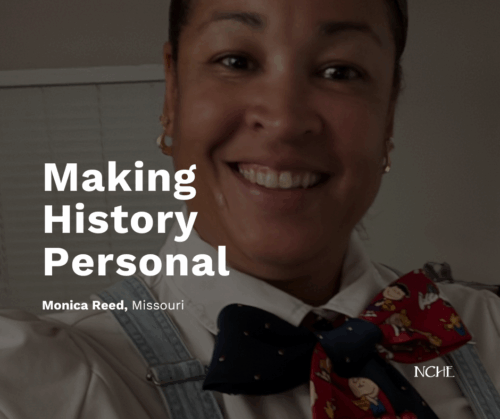
For more than 25 years, I have been teaching history to middle-school students. Over those years, I have taught both world history and African American history, and I have learned that the most powerful lessons happen when students feel a personal connection to the past. My goal has always been to show them that history is not just something to memorize, but a story that speaks to who they are and the world they live in.
One of the truths I carry with me is that African American history is not a unit to be pulled out once a year in February. It is an essential part of the larger story of America and of the world. I have worked hard to weave African American voices, contributions, and experiences into my daily lessons so that my students see a history that is complete and inclusive. When students encounter these stories throughout the year, they begin to recognize that history is not separate from them—it belongs to them.
In my work with other educators, I have shared practical ways to make this integration possible. For example, when I teach about revolutions around the world, I bring in the Haitian Revolution and its global impact. When I talk about democracy, I connect the ideals of the Enlightenment with the ongoing fight for equality and civil rights. These kinds of connections allow students to see history as interconnected, relevant, and alive. I love explaining how people in history walked the very land and streets we walk on today.
As an African American teacher, I bring my own perspective to this work. In today’s political climate, teaching history can sometimes feel difficult. But I believe even more strongly that students need honest, inclusive, and meaningful history. When they see their identities, their communities, and their stories reflected in the curriculum, they feel valued. When they learn about the struggles and triumphs of people who are different from them, they build empathy. That is when history becomes personal—and that is when learning truly lasts.
This is also why I believe so deeply in the importance of teachers sharing their voices. The National Council for History Education (NCHE) is inviting educators to write articles for its website, and I see this as a wonderful opportunity for us to learn from one another. We each have experiences, strategies, and insights that can help strengthen history teaching across classrooms. By contributing, we can support one another in making history not only accurate and inclusive, but also inspiring for our students.
I invite you to join me in this effort. Together, we can build a community of teachers who believe that history is not just something to study—it is something students can carry with them, shaping how they see themselves and their place in the world.