Celebrating Rural Maine: Community Civics and Place-Based Inquiry
Free Professional Learning Opportunity for PK-12 Maine Teachers
The Celebrating Rural Maine project provided PK-12 Maine educators with a series of free professional learning opportunities from December 2024 to December 2025. With a focus on the theme of The Geography of the Place We Now Call Maine, teachers explored place-based education, Maine’s geographic history, innovative teaching models, Wabanaki studies, public history, and more.
The program included three parts: asynchronous online courses (December 2024 – March 2025), synchronous online colloquia (March 8, 2025; April 12, 2025; May 17, 2025), and an onsite summer colloquium (August 3 – 5, 2025 at Schoodic Institute). Each phase was tailored to support Maine’s educational mandates and initiatives, and stipends were provided for the creation and implementation of community civics and place-based inquiry projects.
We are thrilled to introduce the Year 1 teachers, community partners, and their community civics and place-based inquiry projects, along with our advisory team and guest presenters. Take a look below!
Explore the Three Parts of Celebrating Rural Maine
December 2024 – March 2025
Online learning modules covering outdoor learning, climate education, Wabanaki and African American studies, the history of genocide, and career preparedness.
March 8, April 12, May 17, 2025
Virtual live sessions on various topics related to rural Maine and Maine educational mandates and initiatives related to the following themes: Geography of the Place We Now Call Maine (Year 1), Exploring the People of Rural Maine (Year 2), and Change and Development of Rural Maine (Year 3).
August 3 – 5, 2025 (Schoodic Institute)
In-person event with community civics and place-based inquiry project funding up to $750.
Grease:
Clothing, Cars, and Culture
Jaime Beal
Teacher
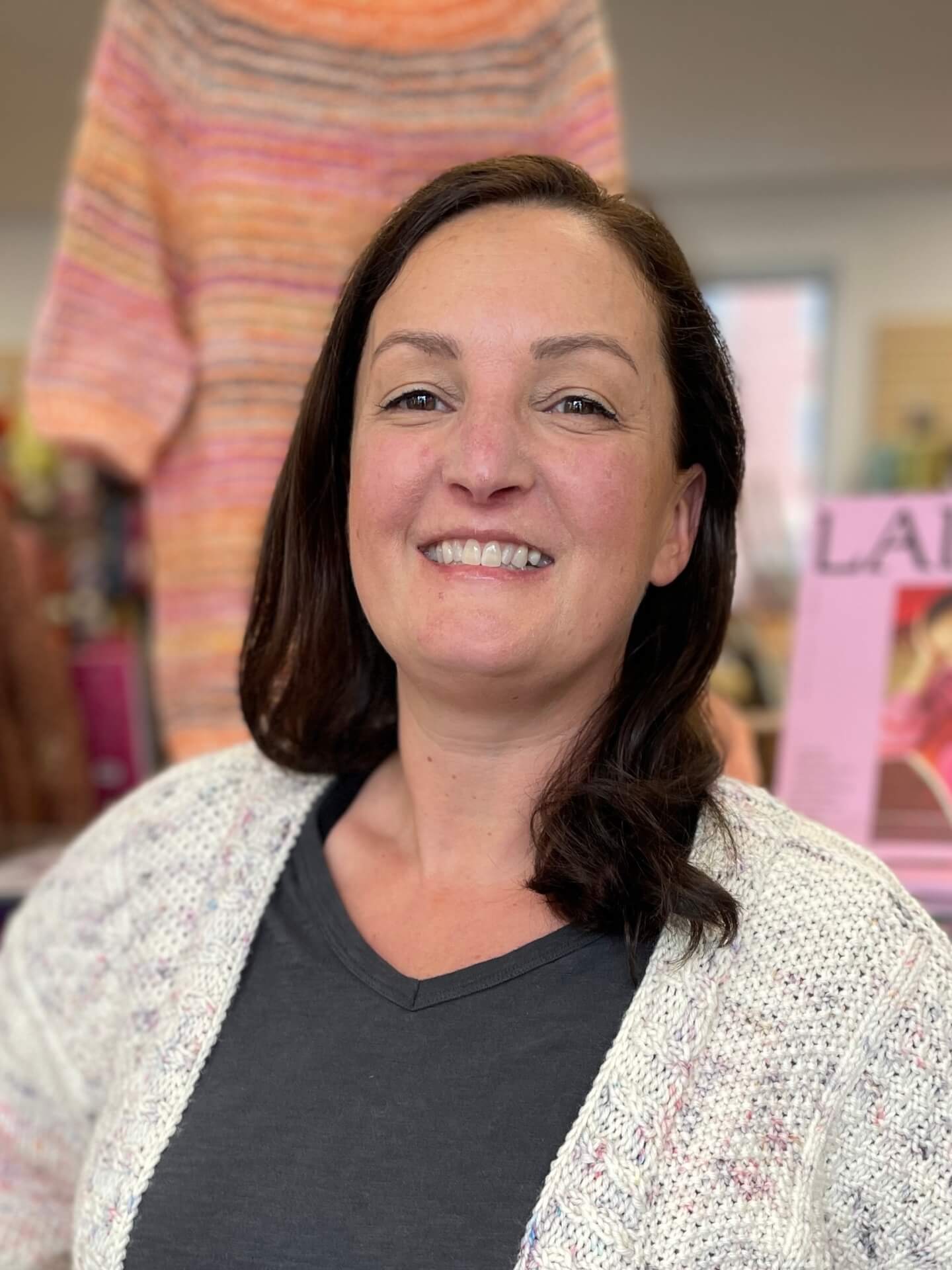
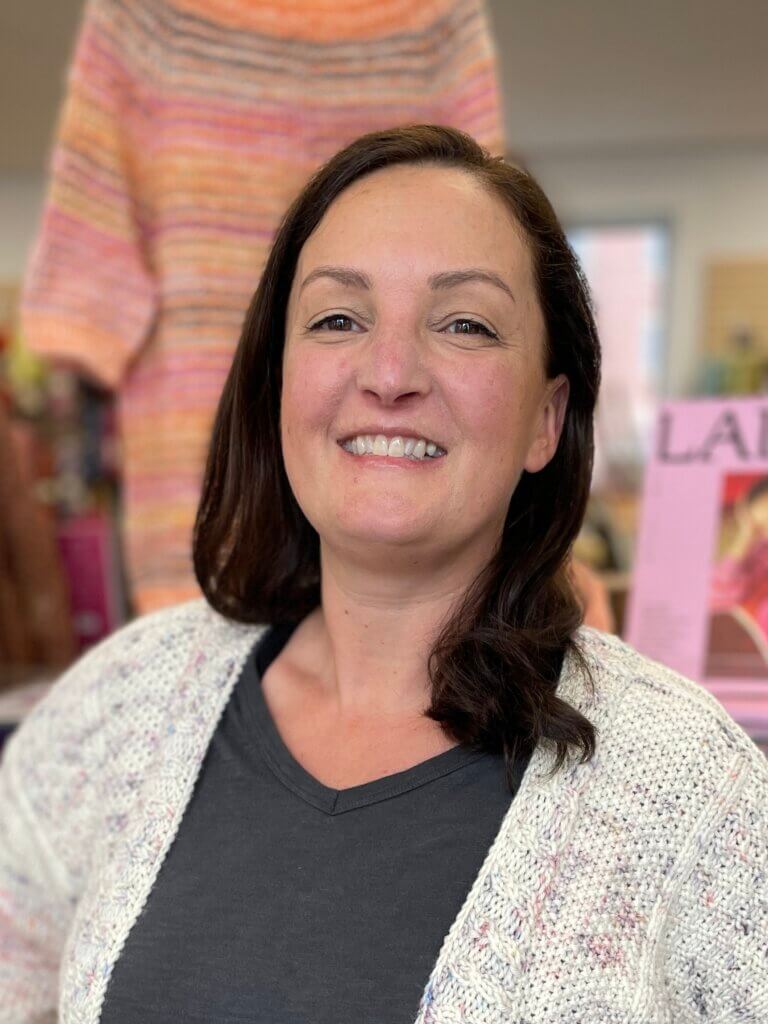
Jaime Beal is the Library Media Specialist in RSU 40, overseeing seven schools. Prior to this role, she served as an Interdisciplinary Instruction Specialist at the Maine DOE, where she designed and led professional development initiatives statewide. She also worked as a Team Leader on the MOOSE computer science team, contributing to the development of PK-12 grade project-based online units for Maine teachers. With over seventeen years of experience in the classroom, she has a strong foundation in teaching 1-4 grades, bringing both expertise and passion to her work in education.
Community Partner
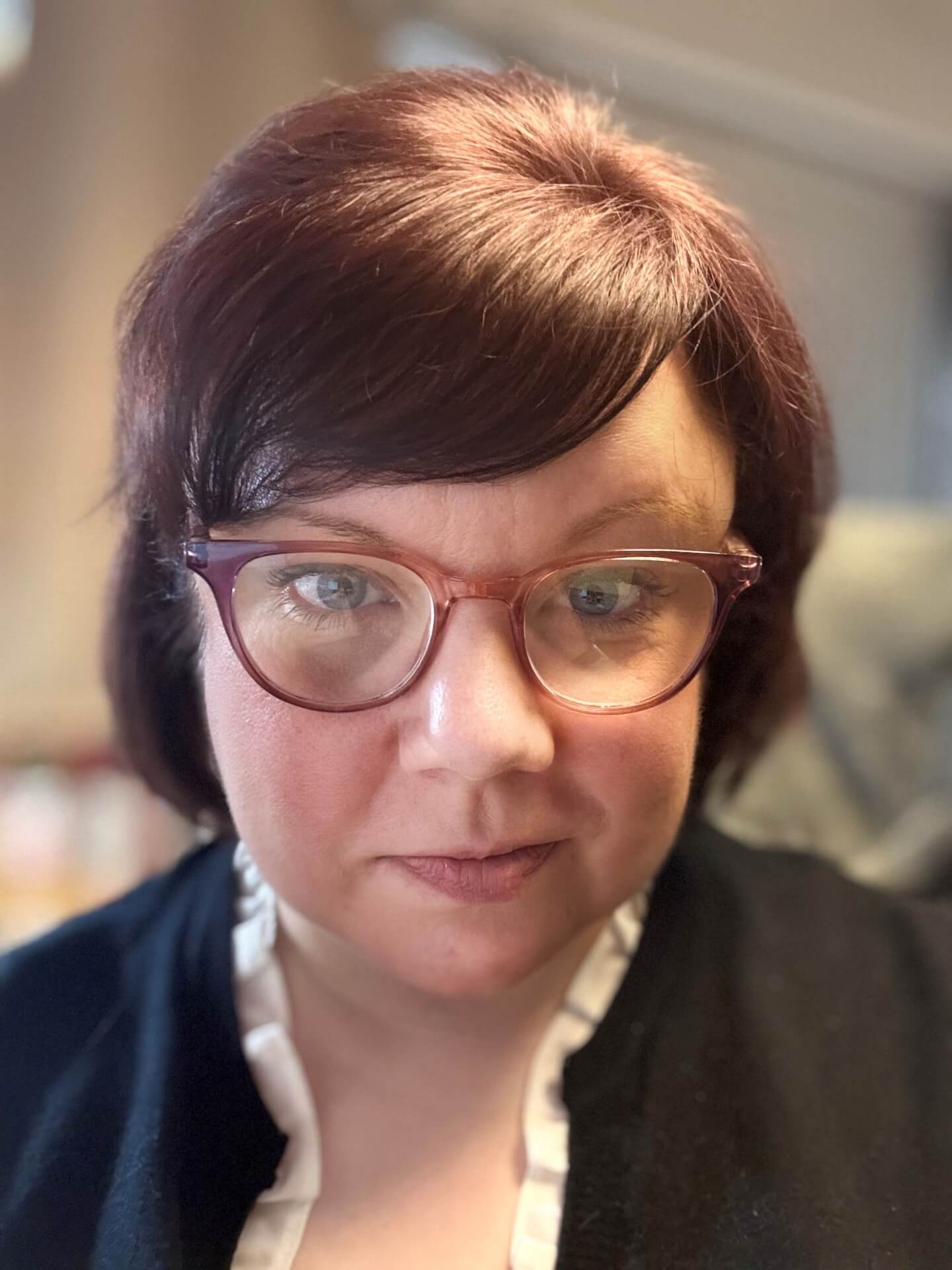
Kathleen Flynn Neumann is Curator of Education & Public Programs for Maine Historical Society. Formerly, Kathleen taught Social Studies at the middle and high school levels in Massachusetts and Connecticut. As a teacher, she worked with Mystic Seaport as a consultant and as a Mystic Seaport for Educators Fellow. She worked seasonally as a Park Guide at Adams National Historical Park, in addition to spending one summer as the Assistant Tutor to the Historic Deerfield Summer Fellowship Program. She holds B.A. and M.A. degrees in History with a certificate in Public History from the University of Massachusetts-Amherst.
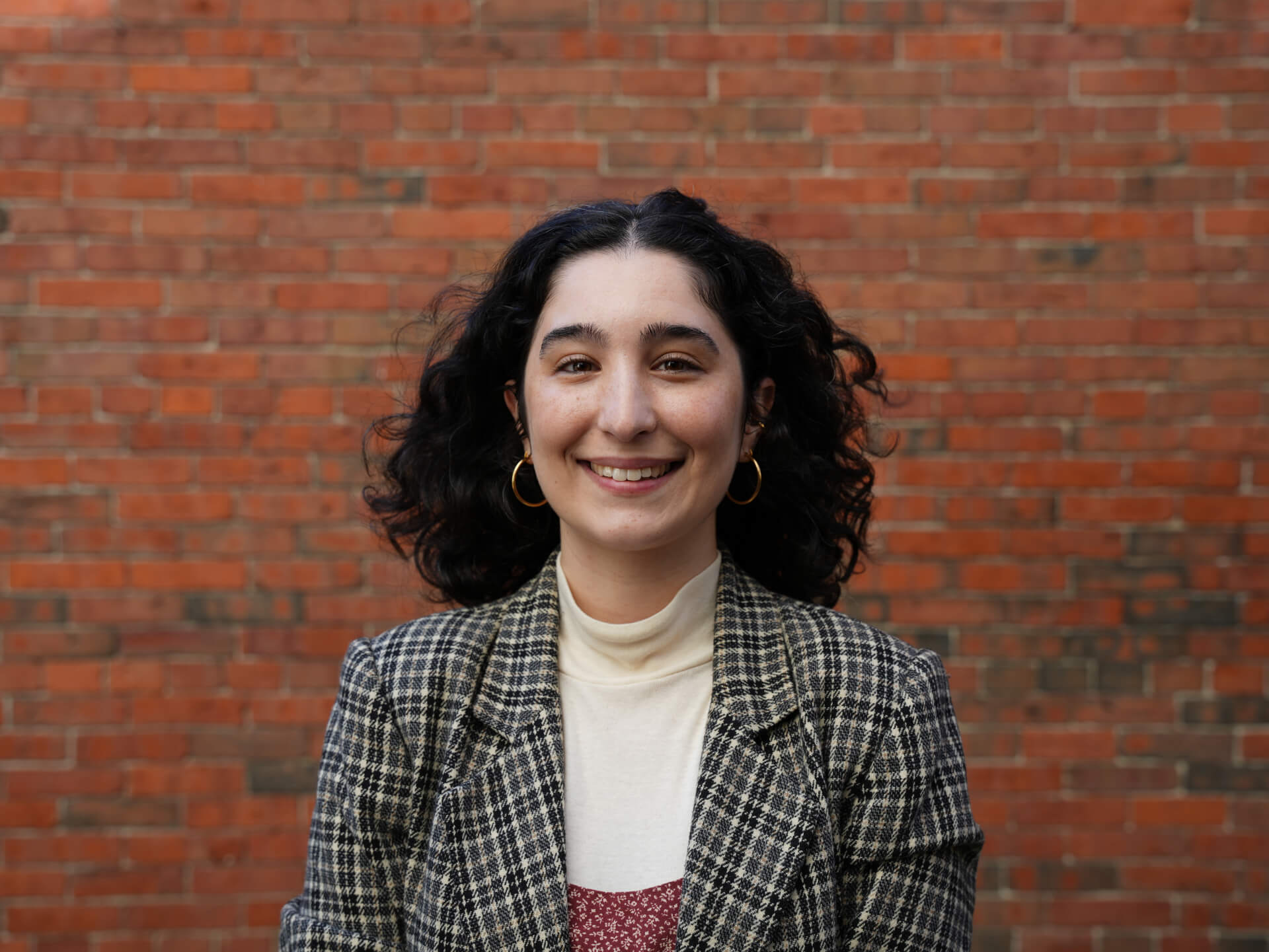
Hannah McLain has worked at Maine Historical Society for two years as the Education and
Outreach Coordinator. Prior to joining MHS, Hannah worked as an intern at the Cantor Art
Gallery at College of the Holy Cross and the Peary-MacMillan Arctic Museum. Hannah studied Anthropology and Art History at College of the Holy Cross.
Organization
Maine Historical Society
Project title
Grease: Costumes, Cars, and Culture
Grades 9–12 | Music, history, ELA
As part of a cross-curricular project tied to our high school’s upcoming production of Grease, students will engage in a primary source analysis and create a visual display exploring key themes from the musical. Through the lens of Grease and 1950s culture, students will examine how the past influences the future and how the present often romanticizes earlier eras. They will compare symbols of freedom, such as cars in the 1950s versus smartphones today, and explore changing ideas of love, loyalty, and social identity. A central focus will be the tension between conformity and authenticity, both in the world of Grease and in students’ own experiences, prompting reflection on how these themes remain relevant across generations.
The Saco River and Its Significance to Maine and Buxton
Amanda Blunda
Teacher
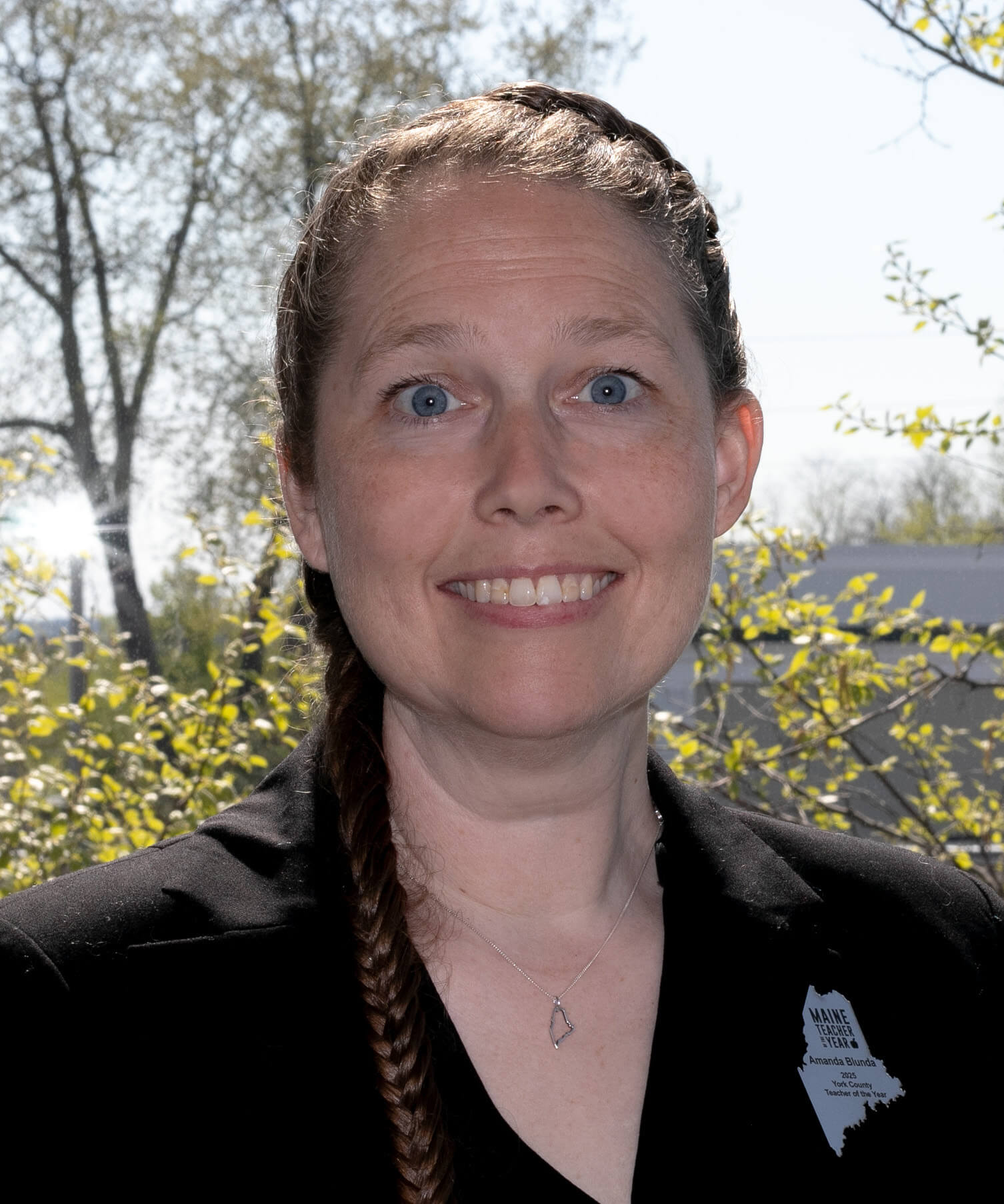
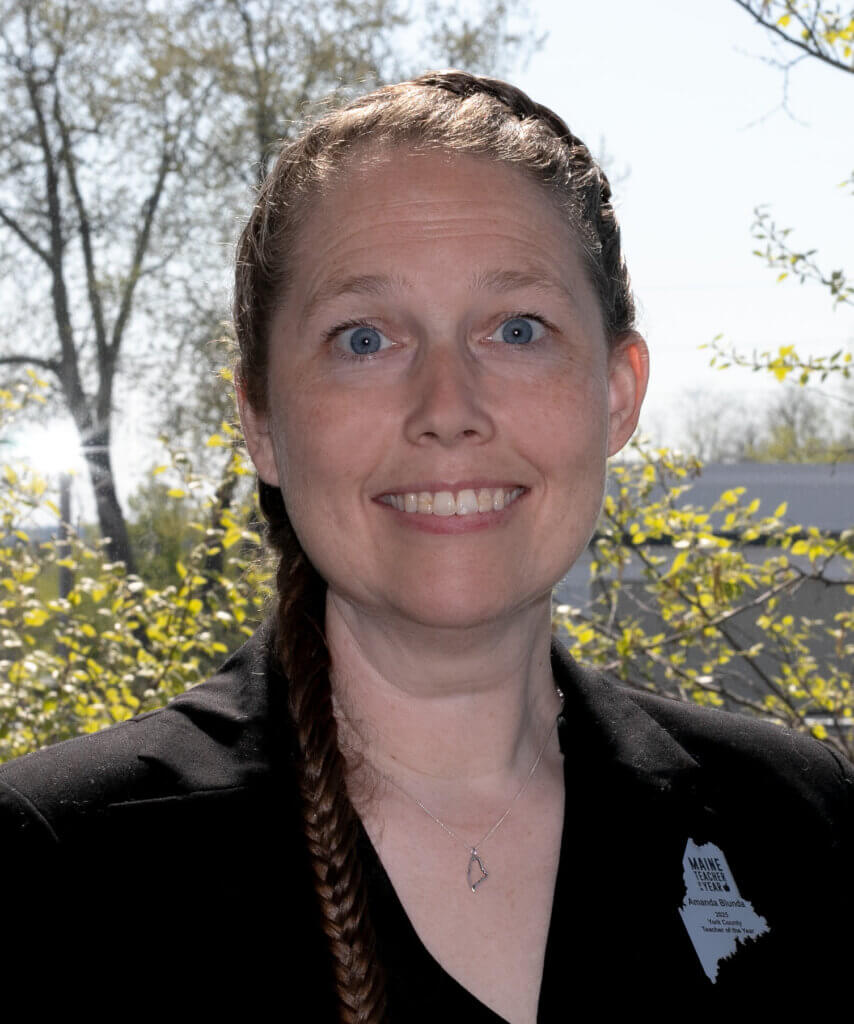
Amanda Blunda is a fourth and fifth grade experiential classroom teacher at Buxton Center Elementary School. Amanda received her B.A. in Psychology and Social Relations with a minor in Political Science and her M.S.Ed. in Teaching Methodology from the University of New England. She is the 2025 York County Teacher of the Year and a 2026 Maine Teacher of the Year Semi-Finalist.
Community Partners
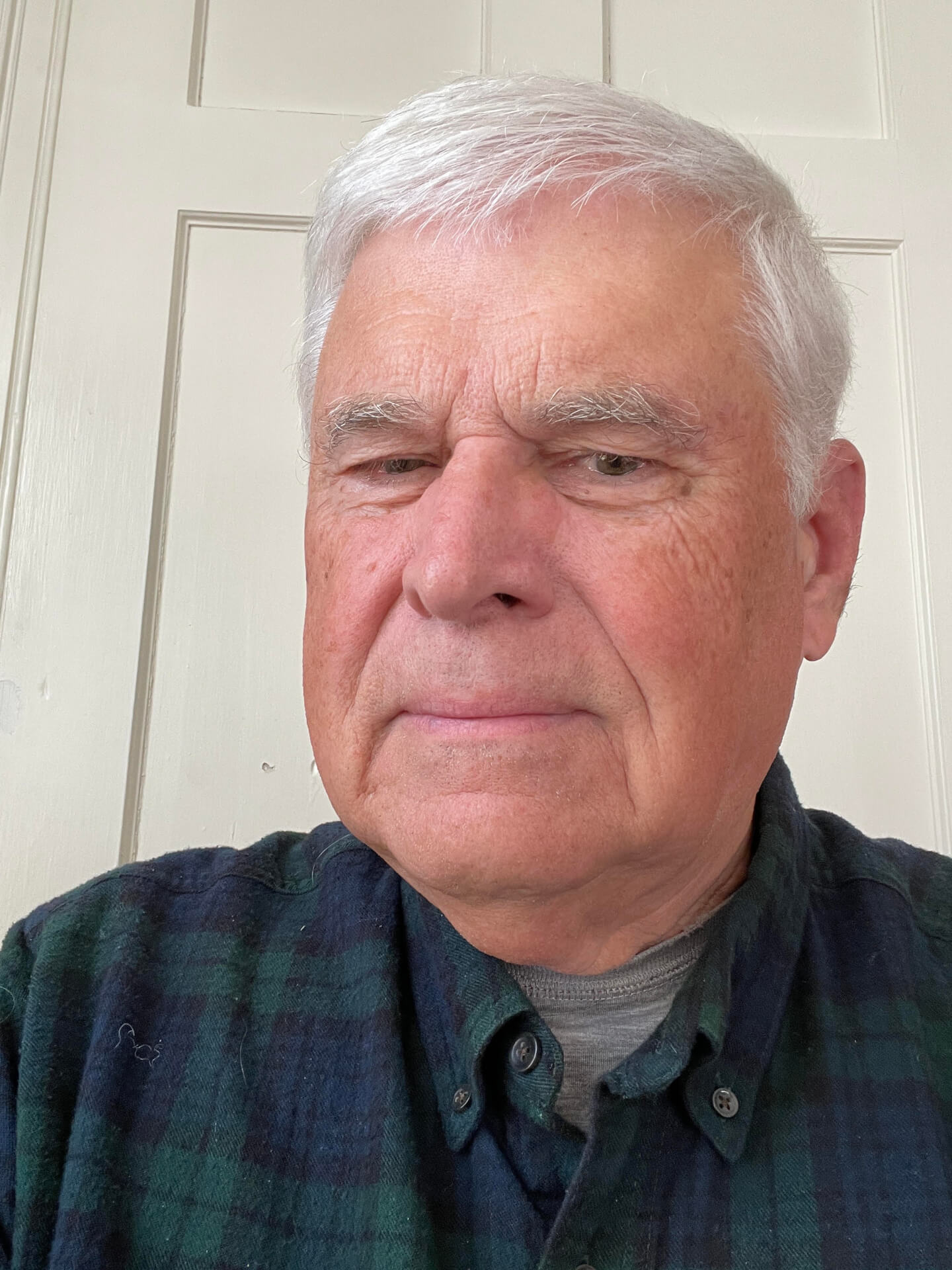
Brenton Hill is a retired electrical engineer. He is a 25 year member, Director and volunteer for the Buxton-Hollis Historical Society where he specializes in technical operations and community outreach.
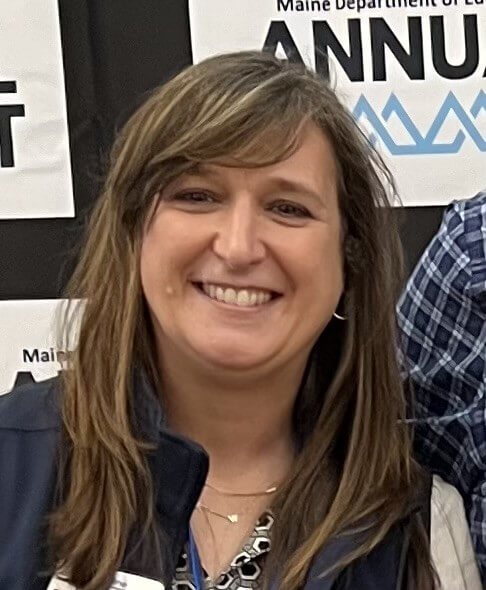
Vicki Walker is a first generation Mainer. She is retired and has been the Secretary of the Buxton Hollis Historical Society for over 12 years. She enjoys being part of a community that promotes the histories of the towns of Buxton and Hollis. Especially helping to instill a love of history among the younger generation.
Organization
Buxton-Hollis Historical Society
Project title
The Saco River and Its Significance to Maine and Buxton
4th and 5th Grades | Social Studies, Literacy, Science
This project will explore the role of the Saco River in the places now called Buxton and Maine, focusing specifically on the areas of Salmon Falls, Pleasant Point Park, Indian Cellar Preserve, Skelton Dam, and Bar Mills Dam. Students will learn about the river from historical, economic, and scientific perspectives, using a variety of literacy skills and primary source documents.
Life in Windsor
Stephanie Connors
Teacher
Stephanie Connors is the Library/Media Specialist at Windsor Elementary School in Windsor, Maine. She participated in the Rural America Project with the NCHE and the TPS Network of the Library of Congress last year and wanted to continue again with the new focus on Celebrating Rural Maine. Stephanie worked as a Team Leader for the Maine DOE’s The MOOSE Project for 3 years. Prior to that, she taught a variety of elementary grade levels for 14 years. In her personal time, Stephanie enjoys gardening, reading, travel, and time with family.
Community Partner
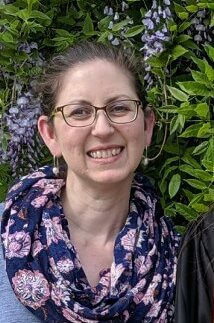
Joanna Torow has 25 years of experience working with museums and other educational organizations. She has designed unique visitor learning experiences, curriculum materials, and served on exhibit teams in Maine, Massachusetts, and Connecticut. She is currently the Chief Educator at the Maine State Museum in Augusta. She holds a Master of Arts in Museum Education from Tufts University and a Bachelor of Fine Arts from the University of Massachusetts, Amherst.
Organization
Maine State Museum
Project title
Life in Windsor
Middle School (Grades 6‑8, possibly 5th) | ELA, Social Studies
To learn about the history of the town of Windsor including events, places, people who shaped the community over the years through creation of a game (board and/or card).
Then and Now–Exploring Stories Relevant to our Past and Present
Chris Crowley
Teacher
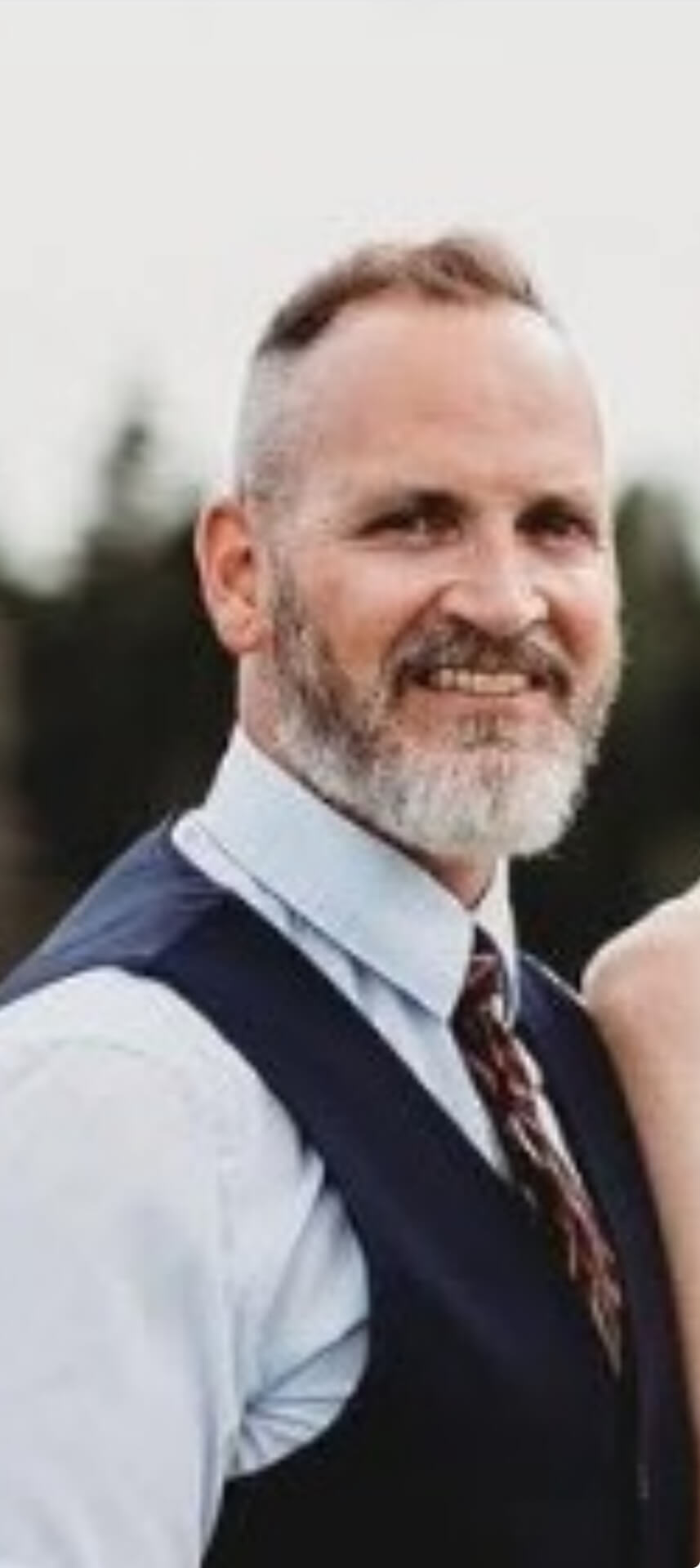
I’ve taught and have been a teaching principal for the past 31 years at the same school I attended as a child. Both my dad and grandmother were both educators, and my daughter is also a teacher.
In my off time, my wife and I enjoy working on our house that’s been in my family for over 130 years, as well as spend time with our two grandchildren, who live just two towns away.
Community Partner
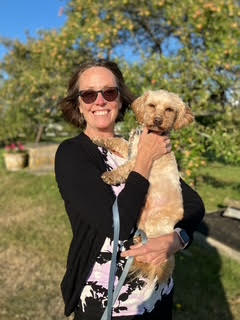
Alison oversees all aspects of IRW’s school programs, including planning school visits, seeking new author/illustrator talent, and collaborating with school partners to find just the right fit for their community. She helps plan professional development for educators in the IRW network keeping an ear to the ground for what is needed when visiting schools.
She began her nonprofit work as director of the Schoodic Arts for All Summer Festival and has served on several area nonprofit boards, including the Schoodic Community Fund, the Dorcas Library, and two terms on the RSU24 School board. She has completed the advanced practicum in Visual Thinking Strategies, the Maine State Volunteer Library Certification Program, and is trained in The Whole Book Approach.
She and her husband live in Birch Harbor where they spent nearly two decades farming while raising and homeschooling their three daughters. As a daughter and granddaughter of librarians, books are in her blood.
Organization
Island Readers & Writers Institute
Project title
Then and Now–Exploring Stories Relevant to our Past and Present
Grades 7 and 8 | History, ELA, visual arts, technology
Using century old postcard photographs of our town, taken by Eastern Publishing and Illustrating Company, middle grade students from our school recreated those photos in 2011 and again this spring, fourteen years later. Using these projects as a springboard, this year students will explore the history and characters of these places and create a booklet with a variety of writing styles as well as illustrations, and graphic design. The final work will be a mixture of fact and fiction for a historical fiction body of work.
Becoming a Mainer: Migration, Identity, and Belonging
Meggie Curtis
Teacher
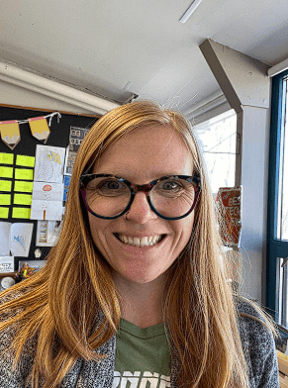
Meggie Curtis teaches 4th grade in Bar Harbor, Maine. Originally “from away,” she didn’t plan on settling in Maine—but after attending College of the Atlantic, she fell in love with the area and never looked back. When she’s not in the classroom (or thinking about it), you’ll likely find her off on an adventure with her six dogs or curled up with a good book and a cup of coffee.
Community Partner
Kathleen Flynn Neumann is Curator of Education & Public Programs for Maine Historical Society. Formerly, Kathleen taught Social Studies at the middle and high school levels in Massachusetts and Connecticut. As a teacher, she worked with Mystic Seaport as a consultant and as a Mystic Seaport for Educators Fellow. She worked seasonally as a Park Guide at Adams National Historical Park, in addition to spending one summer as the Assistant Tutor to the Historic Deerfield Summer Fellowship Program. She holds B.A. and M.A. degrees in History with a certificate in Public History from the University of Massachusetts-Amherst.
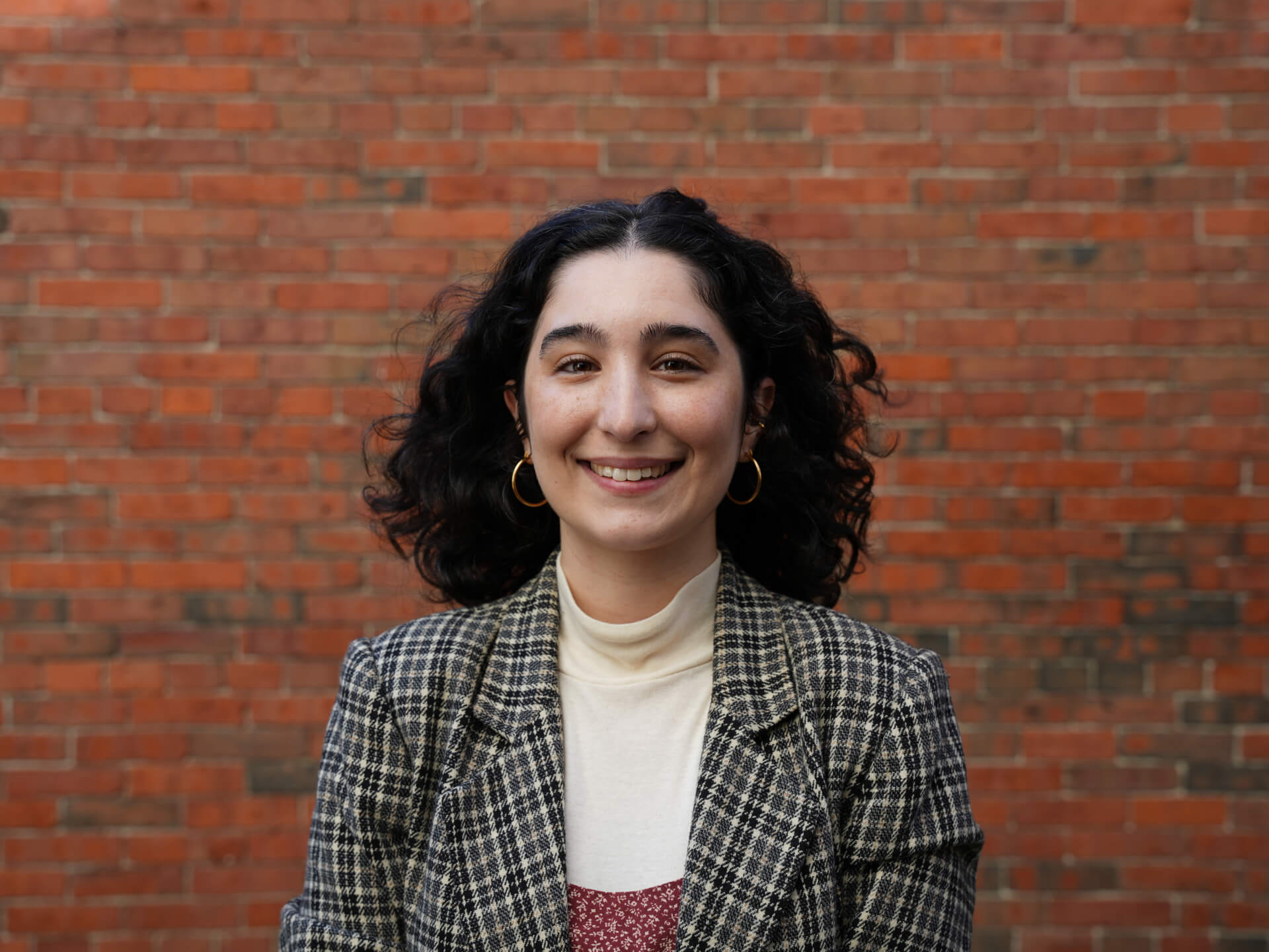
Hannah has worked at Maine Historical Society for two years as the Education and Outreach Coordinator. Prior to joining MHS, Hannah worked as an intern at the Cantor Art Gallery at College of the Holy Cross and the Peary-MacMillan Arctic Museum. Hannah studied Anthropology and Art History at College of the Holy Cross.
Organization
Maine Historical Society
Project title
Becoming a Mainer: Migration, Identity, and Belonging
4th Grade | Social studies, ELA, art
Mainers often have strong opinions about who truly counts as a “Mainer.” This identity is shaped not only by personal beliefs but also by common stereotypes—such as specific accents, jobs, clothing, and foods—that paint a narrow picture of what it means to be from Maine.
In this unit, students will begin by exploring maps and state symbols to build a foundational understanding of Maine. They will then research the diverse groups of people who live in the state today. Through this process, students will develop and express their own interpretations of Maine identity.
The project will culminate in a collaborative mural that answers the essential question: Who is a Mainer?
Holocaust Survivors in Maine
Jamie Karaffa
Teacher
I teach 8th grade Social Studies at Bruce M. Whittier Middle School in Poland, ME. I have been teaching for 20 years in middle school, high school, special education and at an at risk youth school. I’m super passionate about learning and understanding history and I love to share that passion with my students. I believe in teaching history through the use of primary and secondary sources building students’ analysis and critical thinking skills through becoming historians. My desire to constantly learn more and get better at my job has led me into some great opportunities. I was chosen as the 2015 Maine James Madison Fellow, a 2021 Milken Educator and the 2024 Maine National History Day Teacher of the Year. I have a smart and fun 2.5 year old son named Jameson and a golden retriever named Summit and cat named Nash. In my spare time I love both watching and playing sports. I’m a huge NY Yankees fan and also love soccer, beach volleyball and the Olympics. I also enjoy listening to and singing music. I attend concerts regularly and usually have a song on repeat in my head. I try to get outdoors and hike as much as possible. My absolute favorite location to hike is in Acadia National Park in Maine.
Community Partner
Dawn LaRochelle is Executive Director of the Maine Jewish Museum, where she blends her background in education, entrepreneurship, and law with her passions for Judaism, history, and the arts. A magna cum laude graduate of Duke University, cum laude graduate of Harvard Law School, and summa cum laude graduate of UMass Amherst’s Graduate School of Education, Dawn has worked at the Wall Street law firm Milbank LLP, launched award-winning catering companies and a fine-dining restaurant, and led a COVID business recovery program at the Center for Women & Enterprise. A former English Department Chair at The MacDuffie School, she won its 2016–17 Teacher Volunteer Service Award. Dawn has served on numerous nonprofit Boards, including as President of Sinai Academy of the Berkshires. A fluent speaker of Mandarin, Japanese, and Spanish, she enjoys cooking, writing, distance running, traveling, and spending time with her husband, three sons, and two miniature Rat Terriers.
Organization
maine Jewish Museum
Project title
Holocaust Survivors in Maine
8th Grade | Social Studies and ELA
Students create a presentation on a Holocaust Survivor that moved to Maine. They will use the information from Jack Montgomery’s book “From the Holocaust to Maine” to explain the person’s experience during the Holocaust. Then through research online, any primary sources I can find and hopefully connecting with the survivors or their family get an interview of what life was like afterwards in Maine. They will create and present the story of their person. I’m hoping to work with Dawn to have some of them present their projects to donors, members, parents and other community members at the Maine Jewish Museum and maybe I can see if the Holocaust and Human Rights Center will share their presentations online.
Maine’s Connection to the World Via Its Exports or International Trade and Maine’s Economy
Heather O’Leary
Teacher
Born and raised in western Maine, I spent six years teaching art at Washington Academy, where I also served as Dorm Director and lived alongside Passamaquoddy students. That experience opened my eyes—I realized my own education, both in school and at college, lacked any meaningful instruction in Native Studies.
When I moved back home to Andover, I began teaching Maine Studies to seventh graders. Inspired by what I’d learned at Washington Academy, a fire ignited within me to uncover the truths of our region’s Indigenous history. I couldn’t understand why LD 291—a law passed in 2001 requiring Maine’s schools to teach Native American history and culture—was never covered in my teacher training (Maine Legislature, 2001). It wasn’t until 2020 that I even heard about it.
I was fortunate to find a colleague equally passionate about integrating these truths into our classrooms. Together, we attended webinars, took courses, and eventually formed a professional learning community focused on Wabanaki Studies. Our work now supports educators across the district in weaving Wabanaki perspectives into lessons at all grade levels.
For two years, I researched and taught Maine-based history, particularly along the Androscoggin River—a landscape rich in stories, legends, and cultural complexity. My seventh graders gained a depth of understanding about Maine’s Indigenous past that many before them never had. They now carry this knowledge forward, sharing what they’ve learned.
In summer 2025, I was notified that I would be reassigned to teach World Geography, due to concerns that Maine Studies covered topics considered too sensitive for younger students. However, with the new Social Studies standards under review—standards that now embed Wabanaki and Maine history across K–12 curricula (Maine Department of Education, 2019; Maine DOE, 2024)—I expect to return to teaching Maine Studies as I had before.
Right from day one, I’ve told my students: “History isn’t always pretty—it must be learned to ensure it isn’t repeated.”
Community Partner
Matt McCourt is an Associate Professor of Geography and Environmental Planning at the University of Maine at Farmington. His teaching spans topics like community planning, sustainability, GIS, and Maine studies, and regularly engages students in hands-on projects with local and regional partners. As co-coordinator of the Maine Geographic Alliance, Matt is deeply committed to K12 education and creating exciting opportunities for students to explore geography. He is also an active member of the Maine Geospatial Institute, leading its new, thriving summer internship program and microcredentials. His research on rural sustainability, cultural landscapes, and community mapping has attracted support from organizations like the National Science Foundation, National Geographic Education Foundation, and Campus Compact.
Organization
University of Maine, Farmington
Project title
Maine’s Connection to the World Via Its Exports or International Trade and Maine’s Economy
7th Grade | World Geography to Maine Geography
Students will research the economic and historical relationship between Maine and its trading partners. They will explore Maine exports to specific countries and analyze how this trade benefits the economies of both Maine and its international partner. In addition, students will investigate key trade agreements or collaborative efforts that have been established to support ongoing economic and cultural connections. The project will also delve into the historical ties between Maine and their selected country, providing context for their present-day relationship. Finally, students will identify the main products Maine currently exports to that country, offering a well-rounded view of the trade dynamics at work.
The Story of a Place: West Buxton Past, Present, and Future
Regan Parker
Teacher
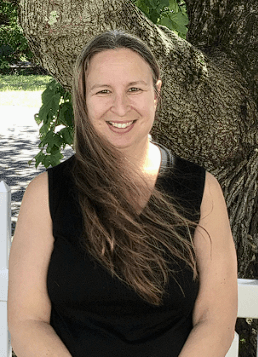
Regan Parker is the library media specialist at Buxton Center Elementary School (MSAD 6). Shortly after earning her Masters of Library and Information Science from the University of Rhode Island in 2010, she began her librarian career in MSAD 6, where she has now been for over 15 years. It was her love of reading and passion for research that brought her to the field of librarianship, where she strives to build the same enthusiasm in her students as she helps them grow as readers and information seekers! Having grown up in Connecticut, she is excited to learn more about the local area alongside her students through this project.
Community Partner
Brenton Hill is a retired electrical engineer. He is a 25 year member, Director and volunteer for the Buxton-Hollis Historical Society where he specializes in technical operations and community outreach.
Vicki Walker is a first generation Mainer. She is retired and has been the Secretary of the Buxton Hollis Historical Society for over 12 years. She enjoys being part of a community that promotes the histories of the towns of Buxton and Hollis. Especially helping to instill a love of history among the younger generation.
Organization
Buxton-Hollis Historical Society
Project title
The Story of a Place: West Buxton Past, Present, and Future
4th Grade | Social Studies, Science, ELA
In the unit, students will be learning about changes that have occurred in the area around the West Buxton Dam by studying historical maps, photographs, newspapers, and other historic documents and comparing them to similar materials present-day. Students will use the information learned to create, in small groups, an illustrated map of their prediction of how the area will look 100 years from now.
Plant the Seeds and Tell the Story
Melissa Prescott
Teacher
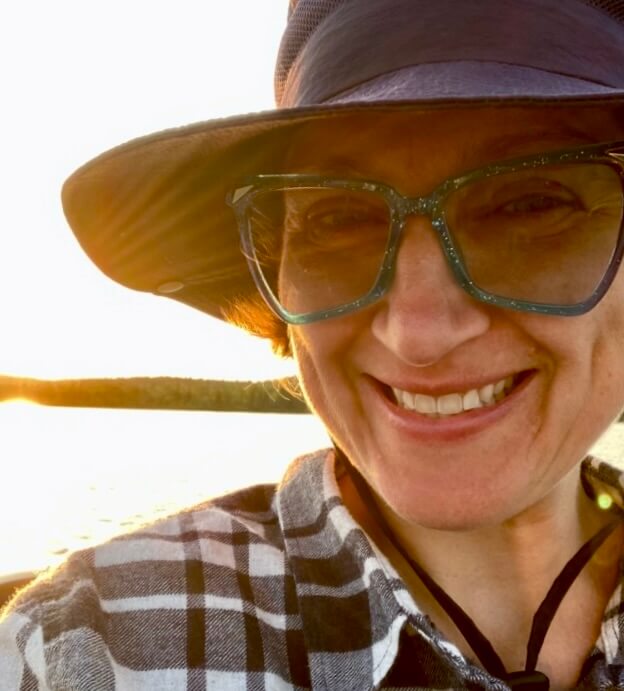
Melissa Prescott has been working as the Visual Art teacher at Telstar Middle School in Bethel, Maine since 2004. In 2012, she earned her Master’s of Education in Integrated Teaching Through The Arts from Lesley University. She has 20 years of experience facilitating annual arts-integrated service learning projects with her students, and she enjoys helping with creative community organizing in both her professional and personal life. In her free time, she enjoys roller skating, reffing roller derby, nature photography, and outdoor adventures with friends and family.
Community Partner
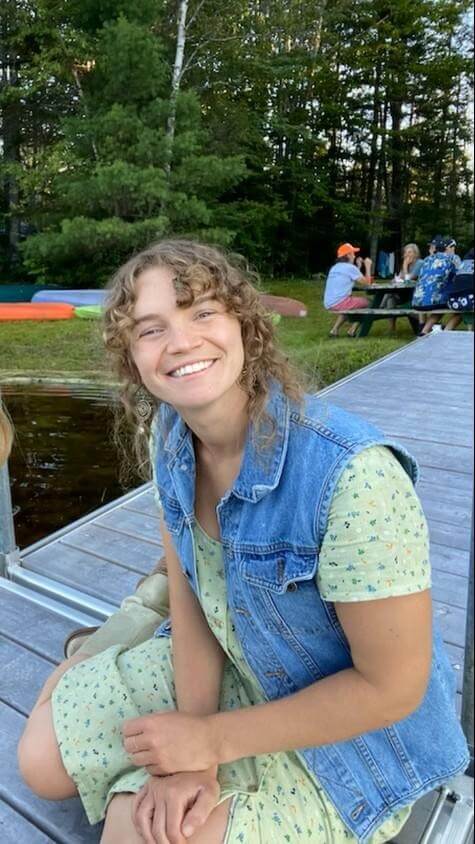
Georgia is a relative newcomer to Maine, having moved here just under three years ago. She has a Bachelor’s in Environmental Studies-Sociology and a Master’s in Climate & Society. Prior to her work as the Development Coordinator at the Mahoosuc Land Trust, she spent time at The Climate Museum in New York, as the Racial Equity Intern for the New York City Panel on Climate Change, as a Front of House Manager at The Gemini Cafe & Bakery in Bethel, ME. At MLT, she’s responsible for communications and fundraising, but an additional aspect of her work is equity-related projects, including those surrounding Wabanaki relations, collaborative partnerships with other outdoor nonprofits working with historically marginalized populations, and ongoing learning for staff, Board, and community! Outside of work, she loves doing crossword puzzles, her top musical artist the past two years in a row was Taylor Swift, and her 2025 New Year’s resolution was to try to see her out-of-town best friend more often.
Organization
Mahoosuc Land Trust
Project title
Plant the Seeds and Tell the Story
7th Grade | Visual art, Social Studies, Wabanaki Studies
This is intended to be the opening unit of 7th grade Community Art class – in which students work together over the course of the year on arts-integrated service-learning. This opening unit (for September) aims to get kids outside while also teaching them important lessons that will lay the foundation for success in our subsequent service-learning work.
Summary:
In this unit, students will learn about and practice how to tell a visual story in a way that is helpful to our community – and then they will work with Mahoosuc Land Trust to help document and share the story of the Abenaki Foodways Project at the Habitat for All Garden.
Students will learn about:
How to use our indoor and outdoor learning spaces safely and carefully – and why that is important (via choices of 2D media and nature journaling)
intellectual property rights – including copyright, creative commons, fair use, cultural appropriation (via iNaturalist).
The ethics of “Leave No Trace”, “Honorable Harvest”, and “7 generations thinking.”
The Abenaki story of “The 3 Sisters” – corn, beans, and squash – and the significance of those plants to Abenaki culture – in the past and today.
MLT’s Habitat for All Garden and how this supports our community.
How our observations, research, and artwork can help the community.
Students will create:
Personalized name tags for their art kits using 2D materials.
A code of honor to guide classwork (as a class).
Observations of local biodiversity.
Documentation artifacts of the AFP (drawings, photos, videos, cyanotypes, etc), and/or other creative projects that MLT identifies in collection with this project
Presentations/exhibits for the community to share their learning.
Currents of Time: Exploring the Kennebec River
Sue Williamson
Teacher
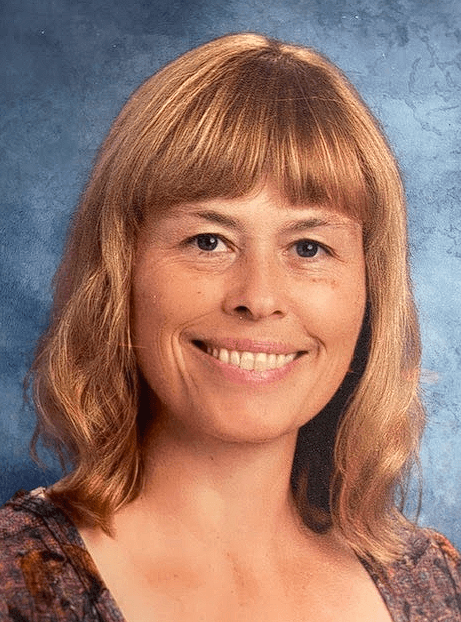
Sue Williamson received a Bachelor’s degree from Bowdoin College, a Master’s degree from the University of Southern Maine, and an Educational Specialist degree from the University of Maine. She began teaching in Whitefield, Maine then moved to MSAD#11 which serves the towns of Gardiner, Pittston, Randolph, and West Gardiner. For sixteen years, Sue was a classroom teacher in grades one through five. Sue served as math specialist then instructional coach for a total of 8 years. Currently and for the past 11 years, Sue has taught students in the gifted and talented program, called REACH. Sue enjoys working with students in all areas of academic and artistic learning and expression. A highlight of each school year is a Showcase event for students to share individual and group projects with the community.
Community Partner
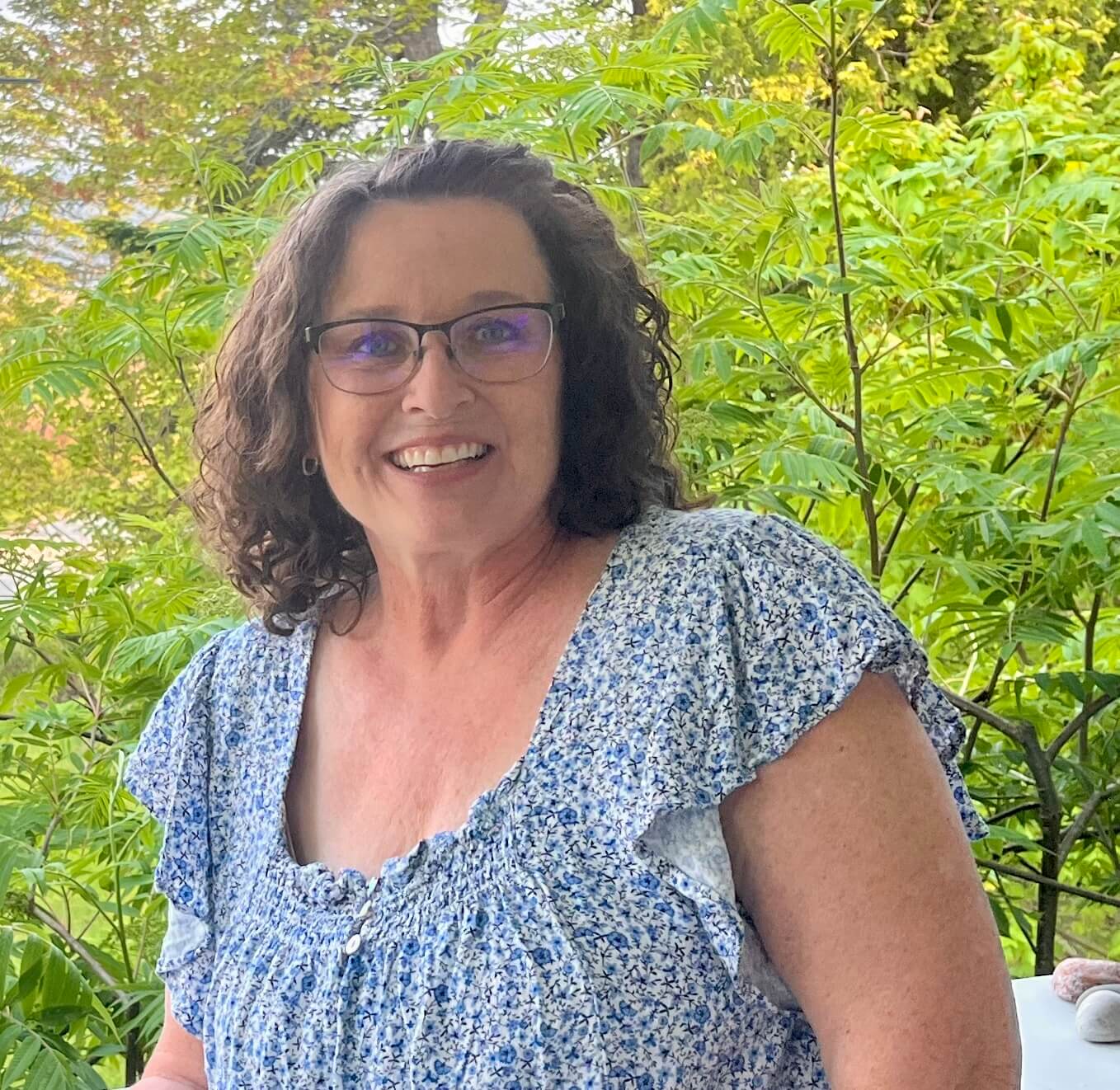
Marla Morgan graduated from Gordon College with a Bachelor’s degree in Psychology and Youth Services. She began her professional career as a Victim Witness Advocate at the Kennebec County District Attorney’s Office, serving in that role for over 16 years. In 2007, Marla transitioned into education, bringing her passion for helping others into the classroom. For the past 15 years, she has worked with students across the MSAD 11 school district, including Grades 3, 4, and 5 in the Gifted and Talented Program. She is known for creating innovative, cross-content, topic-centered curriculum that weaves together history, science, math, and artistic expression—always with a focus on building critical thinking skills. Marla finds her greatest joy in seeing the spark of excitement in her students’ eyes when learning comes alive.
Organization
Local Historian
Project title
Currents of Time: Exploring the Kennebec River
Grades 3‑5 | ELA, math, science, social studies, art, music
In this interdisciplinary unit, students will explore the Kennebec River through subjects like science, social studies, reading, writing, and art. They will learn about the river’s geography, wildlife, and importance to Maine’s history and communities, both past and present. Topics will include Wabanaki connections to the river, its role in industry and transportation, and current conservation efforts. After building background knowledge, each student will choose a specific aspect of the Kennebec River to research further and create an individual project to share their learning. The unit will conclude with a celebration where students present their work to classmates, families, or the school community.
Celebrating Rural Maine Podcasts
Celebrating Rural Maine is a yearlong professional learning initiative funded by the Library of Congress’s Teaching with Primary Sources program for PK–12 educators across the state of Maine from December 2024 through December 2025. Centered on the theme “The Geography of the Place We Now Call Maine,” the series invites teachers to explore place-based education through Maine’s geographic and cultural history. Episodes highlight innovative teaching models and the many stories that shape Maine’s past and present.
Our Team
Kathy Bertini
Kathy Bertini
Kathy Bertini Bio
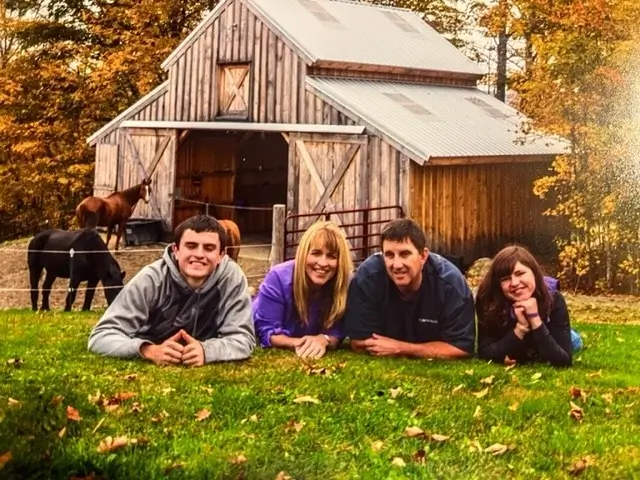
Kathy is the Interdisciplinary Instruction Team Coordinator at the Maine Department of Education.
I appreciate that I am part of the Interdisciplinary Instruction team that shares a common vision regarding the importance of connecting student centered learning experiences across all disciplines. Also, I am thrilled to be able to work with educators and administrators statewide to provide innovative practices to help support Interdisciplinary Instruction.
Why did you decide on this career?
I am excited to be a part of the Innovation team at the Maine DOE and have the opportunities to promote the positive impact of student centered learning which is crucial for today’s evolving world. I have been in public education for more than 30 years and see how meaningful Interdisciplinary Instruction can be for all systems involved. I look forward to working with the education field to help support innovative teaching practices.
What do you like to do outside of work for fun?
I live on a rural farm in the western part of our beautiful state of Maine. This area allows me to connect deeply with nature. I enjoy spending time outdoors with my family and animals. Recently I have taken up the hobby of scientific drawings and I find this interest to be both relaxing and challenging at the same time.
Rory Dunn
Rory Dunn
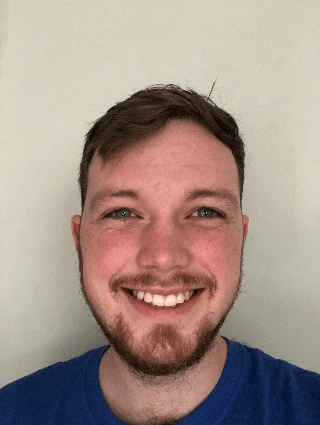
Rory is a doctoral student at Virginia Commonwealth University. His research interests pertain to the complexities of rural identity and the interaction between rural identity and classroom instruction, as well as critical historical inquiry practices. Currently Rory works with pre-service social studies teachers in developing their historical thinking practices at Randolph-Macon College and VCU. In addition to his work in education, Rory is passionate about history. He has conducted oral history projects in Prince Edward County, VA, about the infamous school closures that shut Black students out from public school from 1959-1964. He is currently working on an oral history project about the historically Black neighborhood of North Barton Heights in Richmond, VA
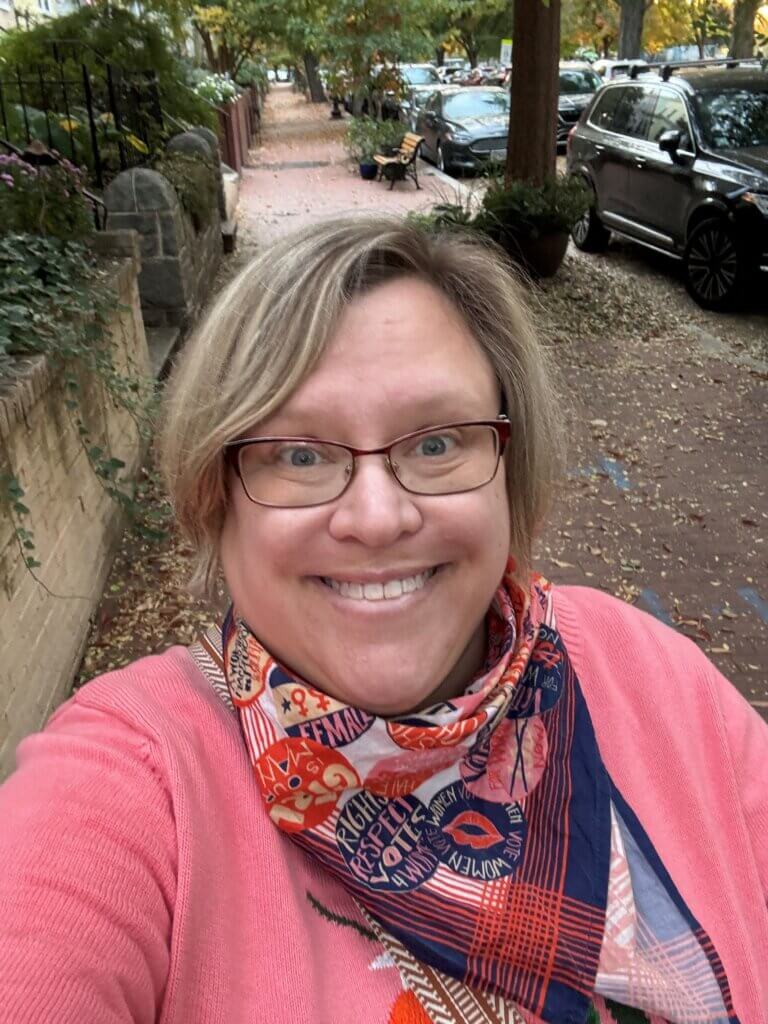
Jessica Fries-Gaither
Jessica Fries-Gaither
Jessica Fries-Gaither is an Albert Einstein Distinguished Educator Fellow in the Professional Learning and Outreach Initiatives and Informal Learning Offices of the Library of Congress. Jessica has 25 years of experience in science education ranging from elementary through graduate school. Most recently, she served as the Science Department Chair and Lower School Science Specialist at the Columbus School for Girls in Columbus, OH.
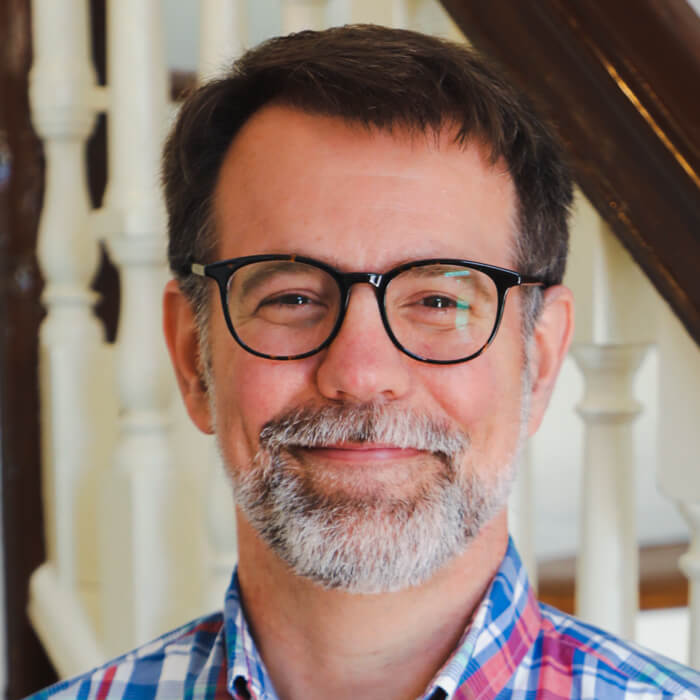
Mark Hofer
Mark Hofer
Mark is a professor in the William & Mary School of Education and the Senior Director of the Learning & Design Lab in the Office of Strategic Cultural Partnerships. In the School of Education, he teaches undergraduate, Masters and doctoral students focused on technology integration, innovation, and learning design. In 2016, he and Professor Lindy Johnson were founding co-directors of the School of Education’s Center for Innovation in Learning Design.
In the Learning & Design (LEAD) Lab, he partners with museum educators and leaders from across the country to build connections with K-12 teachers and university-based teacher educators for partnerships, research, and new ventures. He also leads the RevEd PD Program which offers online microcourses for teachers designed and led by master teachers and museum educators.
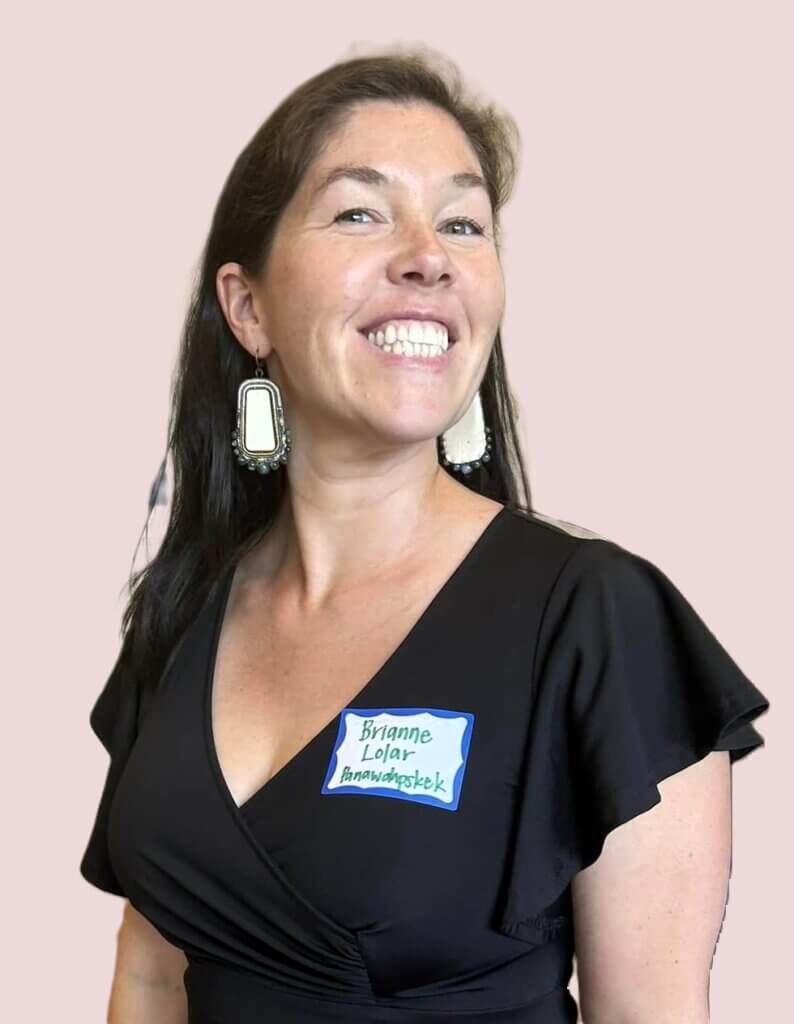
Bri Lolar
Brianne Lolar
Brianne Lolar is a citizen of the Panawahpskek Nation and lives on Alenape Menehan, also known as Indian Island, in what is now called Maine. She graduated from the University of Maine with a Bachelor’s in Social Work, a Master of Arts in Teaching in Elementary Education, and a Master’s in Literacy. Brianne worked in the Panawahspkek community with elders and youth for years before moving into the classroom to teach kindergarten, first, and second grade. Currently, she is bringing voice and representation to Wabanaki through partnerships with Indigenous and non-Indigenous educators and organizations as the first Wabanaki Studies Specialist with the Maine Department of Education.
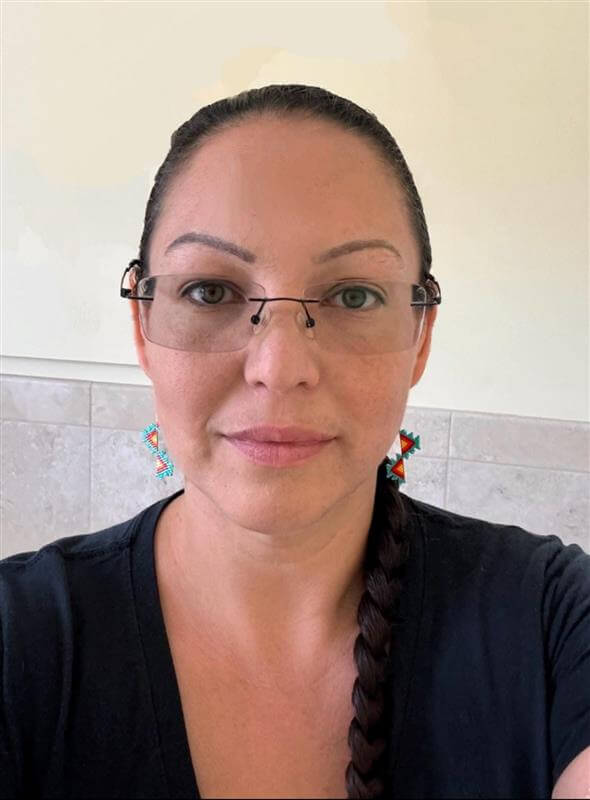
Natalie Lolar
Natalie Lolar
Natalie “Kasq” Dana Lolar is a citizen of and has ancestral ties to the Passamaquoddy and Penobscot tribes, raised in Motahkomikuk (Indian Township), Maine. An advocate for Indigenous voice and presence, she works to deepen understanding of past Indigenous lifeways within and beyond contemporary Wabanaki communities (Passamaquoddy, Penobscot, Maliseet, and Mi’kmaq).
As an anthropologist, Natalie draws inspiration from her ancestral heritage to preserve and strengthen Indigenous traditions. Her multifaceted work spans academia and the arts, with contributions including poetry featured in Dawnland Voices and Sapiens, co-authoring the academic article “In Conversation with the Ancestors”, and playing a role as a Wabanaki board member, artist and public engagement specialist for the Tekαkαpimək Contact Station story.
Natalie lives in Motabkomikuk (Indian Township) with her husband, Kiwenik (Kyle) Lolar, and their five exceptional children. Her dedication to her family and community reflects her lifelong commitment to fostering a deeper appreciation and understanding of Indigenous culture for future generations.
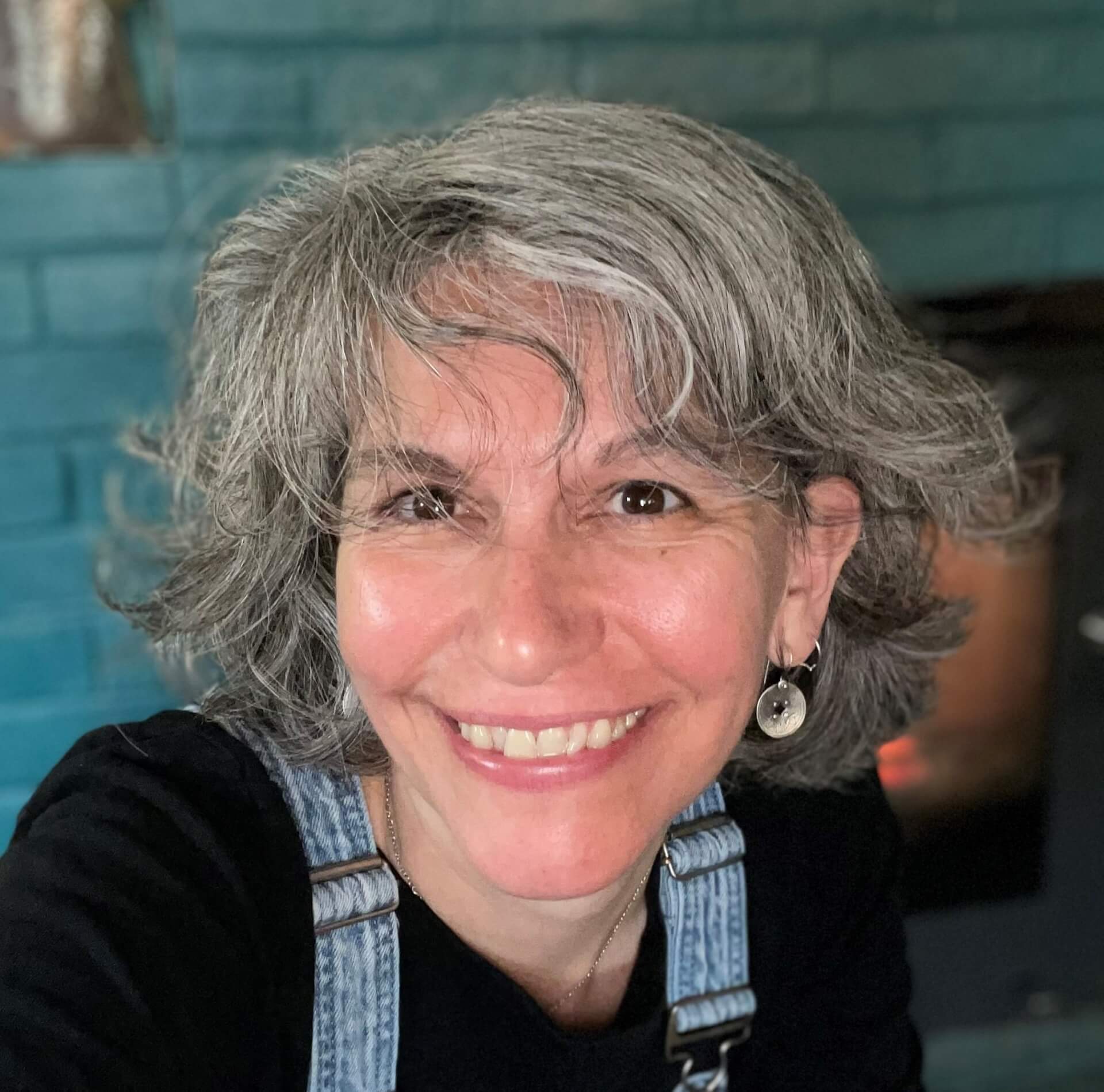
Heather Martin
Heather Martin
Heather Martin, ALM (Museum Studies, Harvard), is happiest when turning over rocks, cracking secret codes, or diving into a fantastic book. The only thing she likes more than a wooded trail and a backpack full of books is helping others discover what fascinates them – and then how to learn more about it. This is how Heather came to be an experiential educator and an elementary Librarian, and why she is now thrilled to be a part of the Interdisciplinary Instruction Team at the Maine Department of Education.
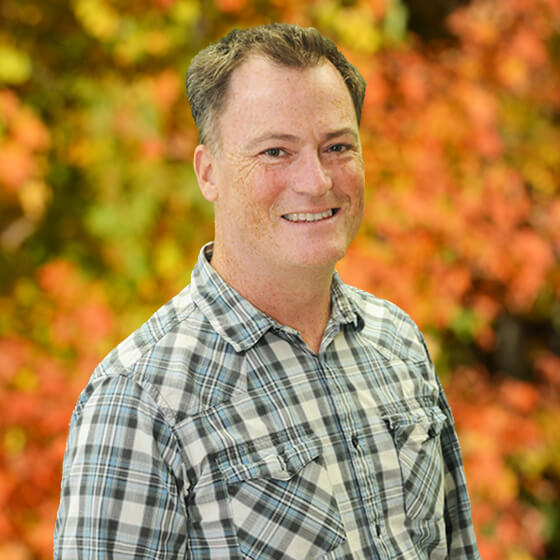
Matt McCourt
Matt McCourt
Matt McCourt is an Associate Professor of Geography and Environmental Planning at the University of Maine at Farmington. His teaching spans topics like community planning, sustainability, GIS, and Maine studies, and regularly engages students in hands-on projects with local and regional partners. As co-coordinator of the Maine Geographic Alliance, Matt is deeply committed to K12 education and creating exciting opportunities for students to explore geography. He is also an active member of the Maine Geospatial Institute, leading its new, thriving summer internship program and microcredentials. His research on rural sustainability, cultural landscapes, and community mapping has attracted support from organizations like the National Science Foundation, National Geographic Education Foundation, and Campus Compact.
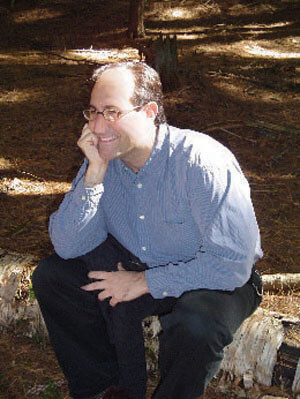
Darren Ranco
Darren Ranco
Darren Ranco is a Professor of Anthropology and Coordinator of Native American Research at the University of Maine. He received his Ph.D. in Social Anthropology from Harvard University and also holds additional degrees in Environmental Law Anthropology and Classical Studies. He teaches classes on indigenous intellectual property rights, research ethics, environmental justice and tribal governance. His research interests include Native Americans and Environmental Risk, Tribal Sovereignty and Critiques of Liberal Democracy, Indigenous Anthropology, Research Ethics and Methodology, Museum Practice and Representation, Environmental Justice, Law and Policy. Darren is a member of the Penobscot Nation and is particularly interested in how better research relationships can be made between universities, Native and non-Native researchers, and indigenous communities.
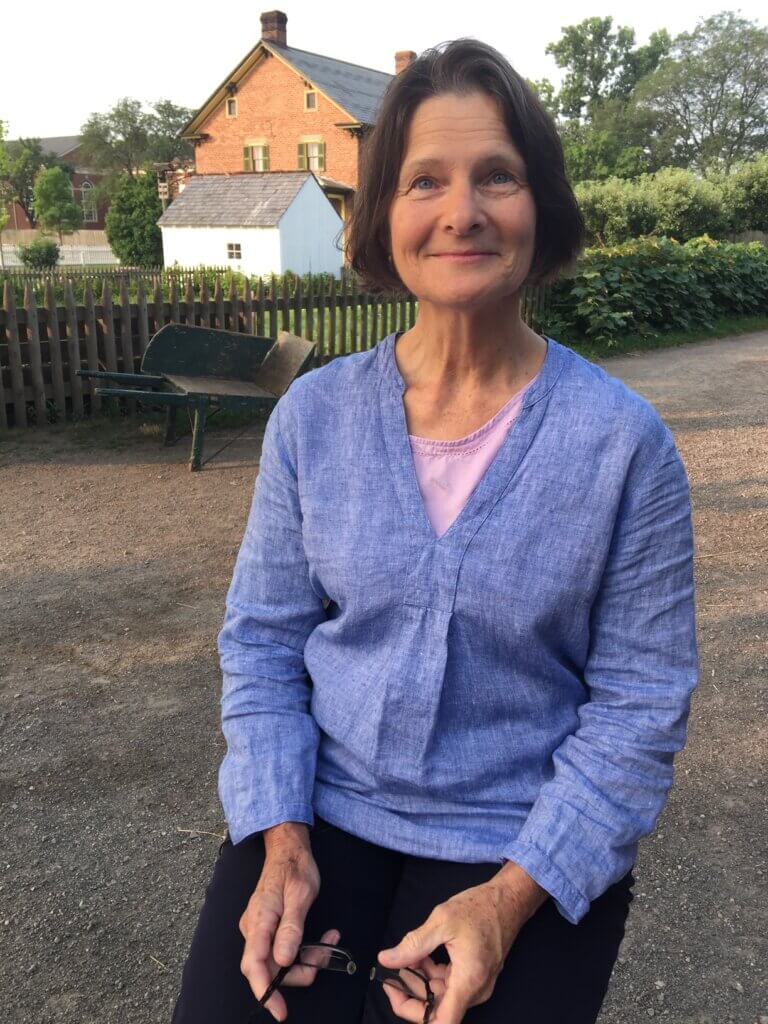
Deb Reid
Deb Reid
Deb grew up on and co-owns a farm in southern Illinois. She works at The Henry Ford (a large museum complex in Dearborn, Michigan) is emerita faculty at Eastern Illinois University and still teaches agricultural history online at the University of Illinois each fall as an adjunct professor (has done so for 17 years). She loves rural historical resources and will never tire of learning more about rural (and urban) places because of them.
Pamela Riney-Kehrberg
Pam Riney-Kehrberg
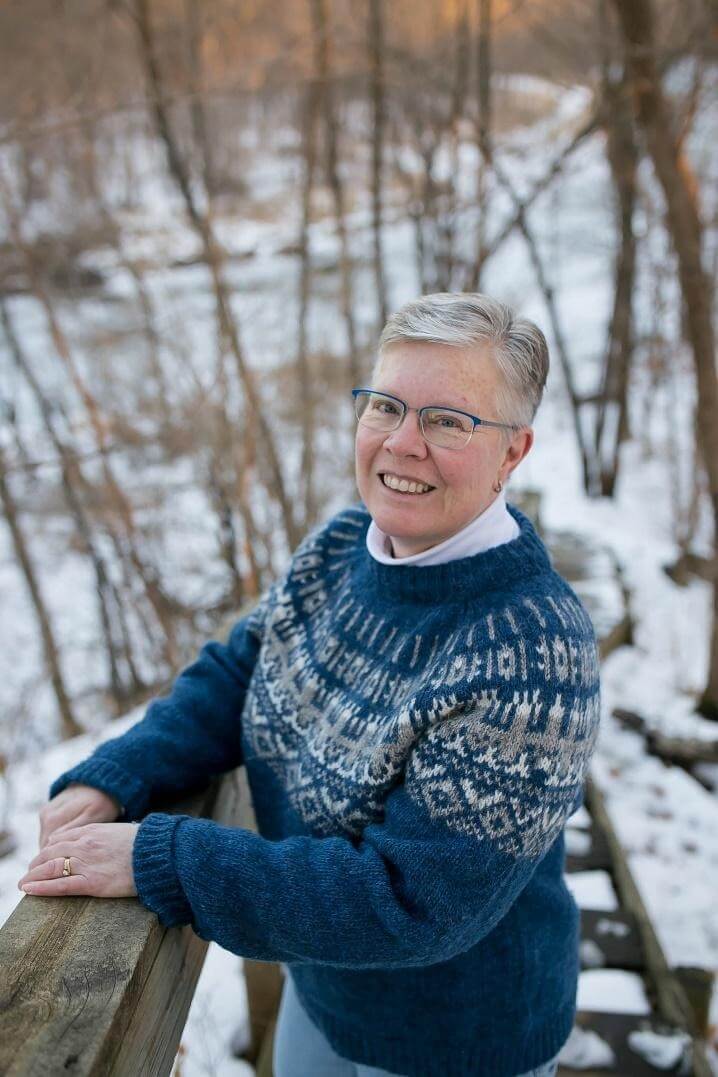
Pamela Riney-Kehrberg is Distinguished Professor of History at Iowa State University, where she has taught since 2000. She teaches courses in a number of areas, but is particularly excited by teaching the history of food, rural families, and agriculture. She is a Fellow of the Agricultural History Society, and also winner of the Agricultural History Society’s James C. Giesen Award for Excellence in Teaching Rural and Agricultural History, as well as the Gladys Baker Award for Lifetime Achievement in Agricultural History. She is the author or editor of seven books. Her most recent book is When a Dream Dies: Agriculture, Iowa, and the Farm Crisis of the 1980s, winner of the Benjamin F. Schambaugh Prize for the most significant book in Iowa history, 2022.
Javaha Ross
Javaha Ross
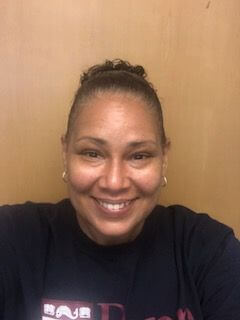
Javaha Ross teaches K-8 students in the Instructional Media Center at Penn Alexander/Penn Partnership School in the School District of Philadelphia. She designs units that support ELA and Social Studies curriculums using children’s literature for lower elementary students and young adult texts for middle school students. Javaha has been a teacher consultant with the Philadelphia Writing Project since 2020.
Chris Sockalexis
Chris Sockalexis
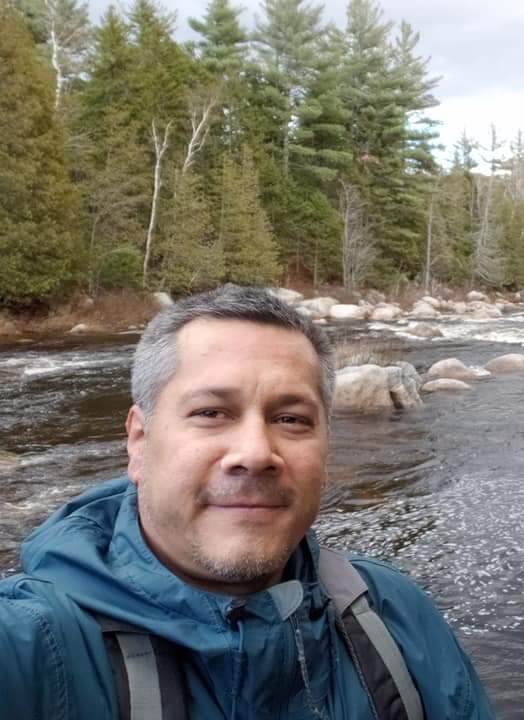
Chris Sockalexis (Penobscot) is the Penobscot Nation Tribal Historic Preservation Officer. His work intersects many aspects of Cultural & Historic Preservation including consultations with Federal Agencies regarding Section 106 of the National Historic Preservation Act, Native American Graves Protection and Repatriation Act (NAGPRA), Archaeological Resources Protection Act (ARPA), as well as working with State and Local Agencies and Organizations in the same capacity – Preserving, Protecting, and Mitigating Penobscot Cultural & Historic Resources in Maine.
Chris is currently involved with the National Park Service working with multiple projects within the Katahdin Woods & Waters National Monument which includes ethnographic studies, archaeology, and consulting with various infrastructure projects.
In addition to his work as the Tribal Historic Preservation Officer for the Penobscot Nation, Chris is currently conducting research at the University of Maine Climate Change Institute, with his thesis focusing on Cultural Identity, Maritime Adaptation, and Ancestral Red Paint Burials within the Gulf of Maine.
Being an avid canoe and kayak paddler who loves being out in the Maine woods and on the waterways his ancestors have traveled for thousands of years, Chris is a Penobscot Cultural Tourism Guide who has paddled most of the major river systems throughout Maine. Chris is also one of the lead singers of the RezDogs, an intertribal powwow drum group based out of Indian Island, Maine.
Trey Smith
Trey Smith
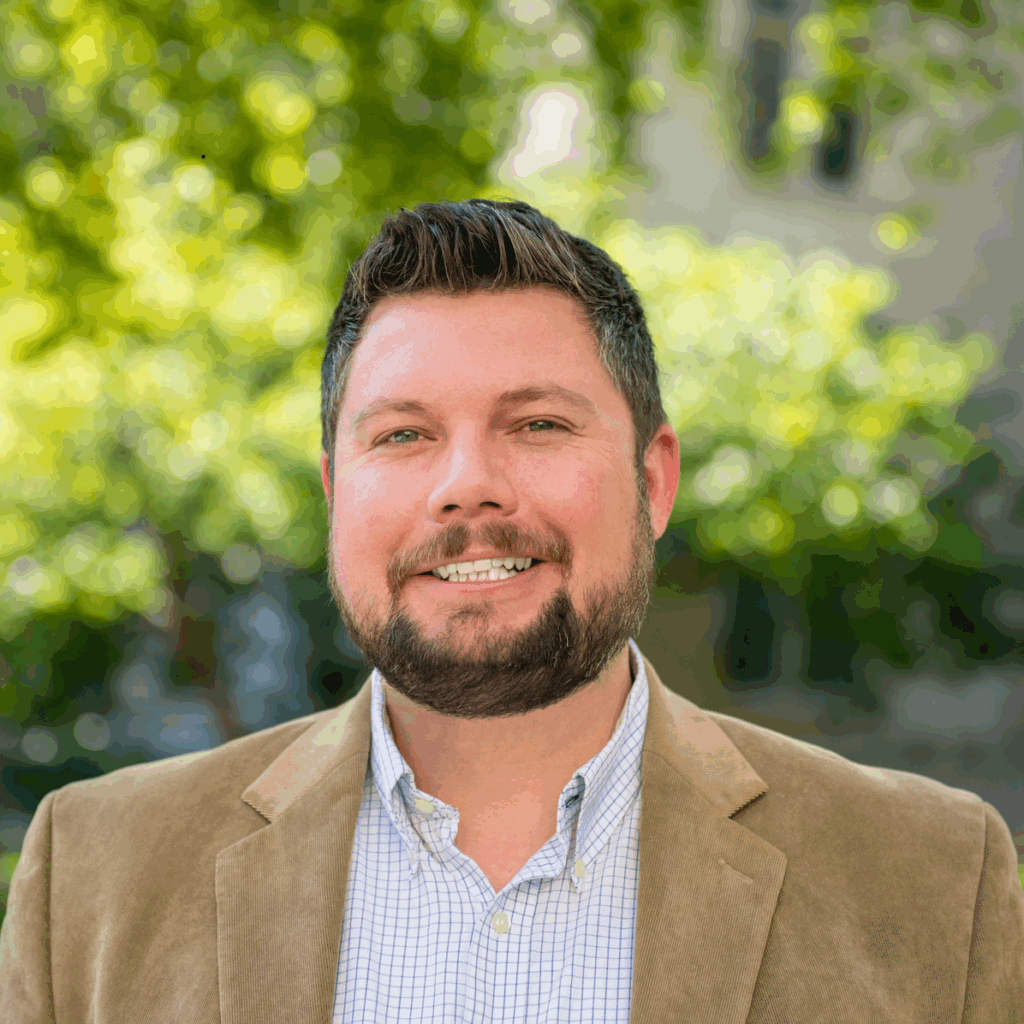
Trey Smith teaches K-8 students in a multidisciplinary makerspace, the Wildcat Workshop at the Marian Anderson School in the School District of Philadelphia. He is also a teacher consultant with the Philadelphia Writing Project and an adjunct instructor in the University of Pennsylvania Graduate School of Education. Trey has served as a 2014-15 Albert Einstein Distinguished Educator Fellow, 2015-16 Teacher in Residence at the Library of Congress, and a 2021 Presidential Awardee for Excellence in Mathematics and Science Teaching.
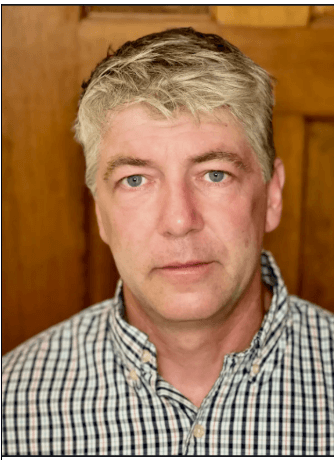
Geoff Wingard
Geoff Wingard
Geoff Wingard, M.A., M.Ed. is an Interdisciplinary Instruction Specialist with MDOE and a twenty-five year educator. Geoff’s professional interests include anthropology, environmental history and student development. He was the 2022 Maine History Teacher of the Year and has worked for schools, universities and museums as an instructor and curriculum specialist. When he’s not working you might run into Geoff as he searches for the best coffee and great vistas across Maine.
Top image from the Library of Congress: https://www.loc.gov/resource/fsa.8c11796/