Funded by a grant from the Library of Congress Teaching with Primary Sources program, NCHE is proud to announce a series of free, professional development opportunities designed to support K-12 teachers focusing on this year’s theme, Change and Development in Rural America. Support will be provided throughout all three parts of this project with built-in additional collaboration opportunities with other teachers and the NCHE staff.
If you are interested in learning how to help your students connect rural America’s past to the present using historical inquiry, public history, place-based education, and service learning, read more below and reserve your spot today for 1 or all 3 of these unique professional learning opportunities.

Asynchronous Learning
From December 2023 through March 2024, registered teachers will self-pace through two online courses: the Library of Congress 6-week module course, Teaching with Primary Sources Basics, and the Right Question Institute 4-week module course, Teaching Students to Ask their Own Primary Source Questions. If you do not have a lot of experience using primary sources in your classroom, want to learn about the Library of Congress’s collection of sources, and/or want to add to your toolbox of strategies using primary sources, this professional learning is highly recommended!

Synchronous Online Colloquia
Registered teachers will participate in three online synchronous Saturday professional development sessions led by historians, educational specialists, and master teachers. These sessions will be held once a month on March 23, 2024, April 20, 2024, and May 11, 2024, from 11:00 am to 4:30 pm (EST) and will focus on a variety of topics related to Change and Development in Rural America. During this time, teachers also applying for the onsite colloquium will identify a community partner to assist them with their public history project.

Onsite Colloquium
15 teachers will be selected to travel to the Library of Congress along with a community partner July 24 – 26, 2024. During this learning experience, teachers and community partners will learn from historians and build civic connections to develop a plan for implementing a public history project in their own community. Teachers will receive up to $850 to defray travel costs and up to $750 to support their community project. The application deadline is March 15, 2024.
The Rural Experience in America Podcasts
The Rural Experience in America Podcasts,” hosted by the National Council for History Education, offers an immersive exploration of rural American life through a series of public history projects. Season 2 features engaging narratives from teachers, students, and community partners, delving into topics like “Southwest Missouri: A Primary Source Inquiry” and “Faces and Spaces of Upson County.” Each episode is a unique blend of local history, community insights, and educational perspectives, providing a rich journey into the heart of America’s rural communities.

Inquiry in Ashland
In this video, Kim Sergent from Hazard, Kentucky, engages with Ashland’s educators and students to delve into the interplay between local history and global economic and geographical insights. This collaborative venture aims to deepen the understanding and appreciation of Ashland’s historical role on a broader scale, highlighting its impact and relevance in today’s interconnected world.

Meet the Teachers

Valencia Abbott (Rockingham Early College High School, Reidsville, North Carolina)
Rural Education in Rockingham County during the Jim Crow Era (1920 – 1970)

Joe Brewer (Cuba High School, Cuba, Illinois)
An Oral History of Forgottonia
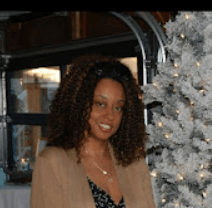
Lueisha Dixon (Richmond County Technical Career Magnet, Stapleton, Georgia)
The Importance of the Creation of Rosenwald Schools in the Rural South
Elizabeth Foreman (Bob Mathis Elementary School, Decatur, Georgia)
Decatur Now and Then

Jean Hill (Helen Tyson Middle School, Springdale, Arkansas)
Transformational Voices of a Growing Region

Bethany Norris (Upson-Lee High School, Thomaston, Georgia)
Voices of Upson’s Past

Sarah Pearcy (Tecumseh Middle School, Shawnee, Oklahoma)
Tecumseh Tales
Stacy Radecki (West Branch Rose City – Ogemaw Height High School, Rose City, Michigan)
The Winds of Change – A Look at the Farms of Ogemaw County
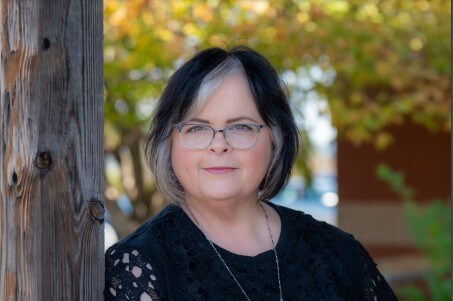
Kim Sergent (Kentucky Valley Educational Cooperative, Hazard, Kentucky)
Connecting Ashland History to the World through Economics and Geography
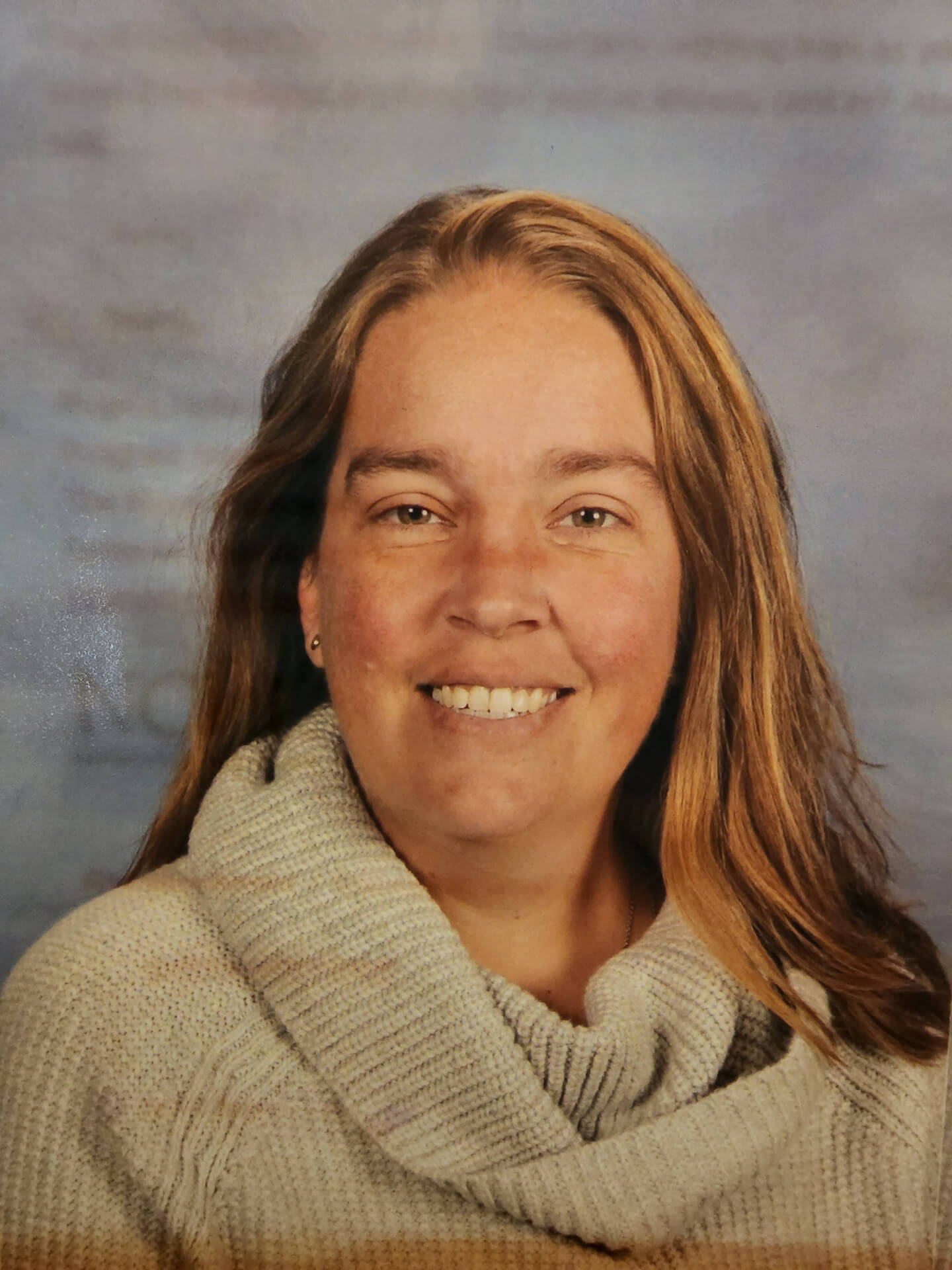
Rebecca Simmons (Yadkin Success Academy, Pilot Mountain, North Carolina)
Exploring 4 Counties in our Community & How They Evolved as Rural Communities
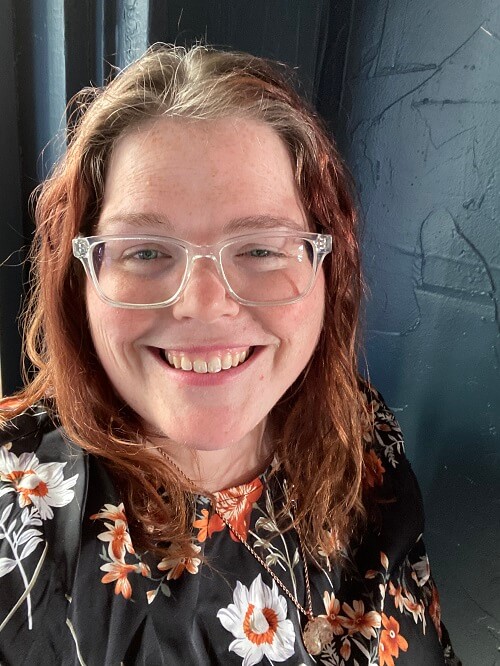
Heather Stambaugh (Greenon Local Schools, Enon, Ohio)
Living Local History
| Learn More about our Public History Projects… | Community Partners |
| Valencia Abbott (Reidsville, North Carolina) Rural Education in Rockingham County during the Jim Crow Era | Museum and Archives of Rockingham County (MARC), Debbie Russell |
| Joe Brewer (Cuba, Illinois) An Oral History of Forgottonia | Western Illinois University Archives, Katherine NicholsWestern Illinois Museum, Sue Scott |
| Lueisha Dixon (Stapleton, Georgia) The Importance of the Creation of Rosenwald Schools in the Rural South | Georgia Historical Society, Lisa Landers |
| Elizabeth Foreman (Decatur, Georgia) Decatur Now and Then | DeKalb History Center, Jennifer Blomqvist |
| Jean Hill (Springdale, Arkansas) Transformational Voices of a Growing Region | Shiloh Museum of Ozark History, Angie AlbrightSpringdale Public Schools, Marsha Layer
The Northwest Arkansas Oral History Project, Camille Hatcher The David and Barbara Pryor Center for Oral and Visual History at the University of Arkansas, Susan Kendrick-Perry |
| Bethany Norris (Thomaston, Georgia) Voices of Upson’s Past | Thomaston/Upson Archives, Jamesan GrammeGeorgia Military College, Taylor Watson |
| Sarah Pearcy (Shawnee, Oklahoma) Tecumseh Tales | Pioneer Public Library, Kelli Brown |
| Stacey Radecki (West Branch, Michigan) The Winds of Change – A Look at the Farms of Ogemaw County | Ogemaw Historical Society, Sally Rae |
| Kim Sergent (Hazard, Kentucky) Connecting Ashland History to the World through Economics and Geography | Highlands Museum, Heather Whitman |
| Rebecca Simmons (Pilot Mountain, North Carolina) Exploring 4 Counties in our Community & How They Evolved as Rural Communities | Town of Pilot Mountain, Jenny Kindy |
| Heather Stambaugh (Enon, Ohio) Living Local History | Enon Historical Society, Barbara Arnold |

Meet the Teachers
Valencia Abbott (Rockingham Early College High School, Reidsville, North Carolina)
Rural Education in Rockingham County during the Jim Crow Era (1920 – 1970)
Joe Brewer (Cuba High School, Cuba, Illinois)
Oral History of Forgottonia (Take 2)

Elizabeth Foreman (Bob Mathis Elementary School, Decatur, Georgia)
How Rural Georgia Shaped President Jimmy Carter
Jean Hill (Helen Tyson Middle School, Springdale, Arkansas)
Transformational Voices of a Growing Region: Voices of Home

Doug Logan (Carl Junction High School, Carl Junction, Missouri)
Southwest Missouri: A Primary Source Inquiry
Bethany Norris (Upson-Lee High School, Thomaston, Georgia)
Faces and Spaces of Upson’s Past
Sarah Pearcy (Tecumseh Middle School, Shawnee, Oklahoma)
Tecumseh Tales Past and Present
Stacy Radecki (West Branch Rose City – Ogemaw Height High School, Rose City, Michigan)
The Winds of Change – A Look at the Farms of Ogemaw County

Kim Sergent (Kentucky Valley Educational Cooperative, Hazard, Kentucky)
Voices of Ashland: Past and Present
Rebecca Simmons (Yadkin Success Academy, Pilot Mountain, North Carolina)
Land (and Labor) in Yadkin County, North Carolina
| Learn More about our Public History Projects… | Community Partners |
| Valencia Abbott (Reidsville, North Carolina) Coming Home to Rockingham County and Jim Crow (WWII Veterans of the U.S. Supreme Court Case of Griggs vs. Duke Power Company) | North Carolina State Archives, John Horan & Dani Shirilla |
| Joe Brewer (Cuba, Illinois) Oral History of Forgottonia (Take 2) | Canton Heritage Museum, Cheryl Bielema Democratic Newspapers, John Hallwas & Wendy Martin
Fulton Democrat, John Froehling Western Illinois University Archives, Katherine Nichols Western Illinois Museum, Sue Scott |
| Elizabeth Foreman (Decatur, Georgia) How Rural Georgia Shaped President Jimmy Carter | Georgia Department of Education & Jimmy Carter National Historic Park, Courtney Stoops |
| Jean Hill (Springdale, Arkansas) Transformational Voices of a Growing Region: Voices of Home | Shiloh Museum of Ozark History, Angie Albright Springdale Public Schools, Marsha Layer
The Northwest Arkansas Oral History Project, Camille Hatcher The David and Barbara Pryor Center for Oral and Visual History at the University of Arkansas, Susan Kendrick-Perry |
| Doug Logan (Webb City, Missouri) Southwest Missouri: A Primary Source Inquiry | Carl Junction’s Next Chapter Community Library, Calvin Cassidy Joplin Historical Society, Kelly Reddin |
| Bethany Norris (Thomaston, Georgia) Faces and Spaces of Upson’s Past | Georgia Military College, Taylor Watson Thomaston/Upson Archives, Jamesan Gramme
Upson Historical Society, Kaila Jones |
| Sarah Pearcy (Shawnee, Oklahoma) Tecumseh Tales: Past and Present | Pioneer Public Library, Kelli Brown |
| Stacey Radecki (West Branch, Michigan) The Winds of Change – A Look at the Farms of Ogemaw County | ArcGIS, Chris Powley |
| Kim Sergent (Hazard, Kentucky) Voices of Ashland: Past and Present | Highlands Museum, Heather Akers |
| Rebecca Simmons (Pilot Mountain, North Carolina) Land (and Labor) in Yadkin County, North Carolina | Yadkin County Economic Development Partnership, Bobby Todd |
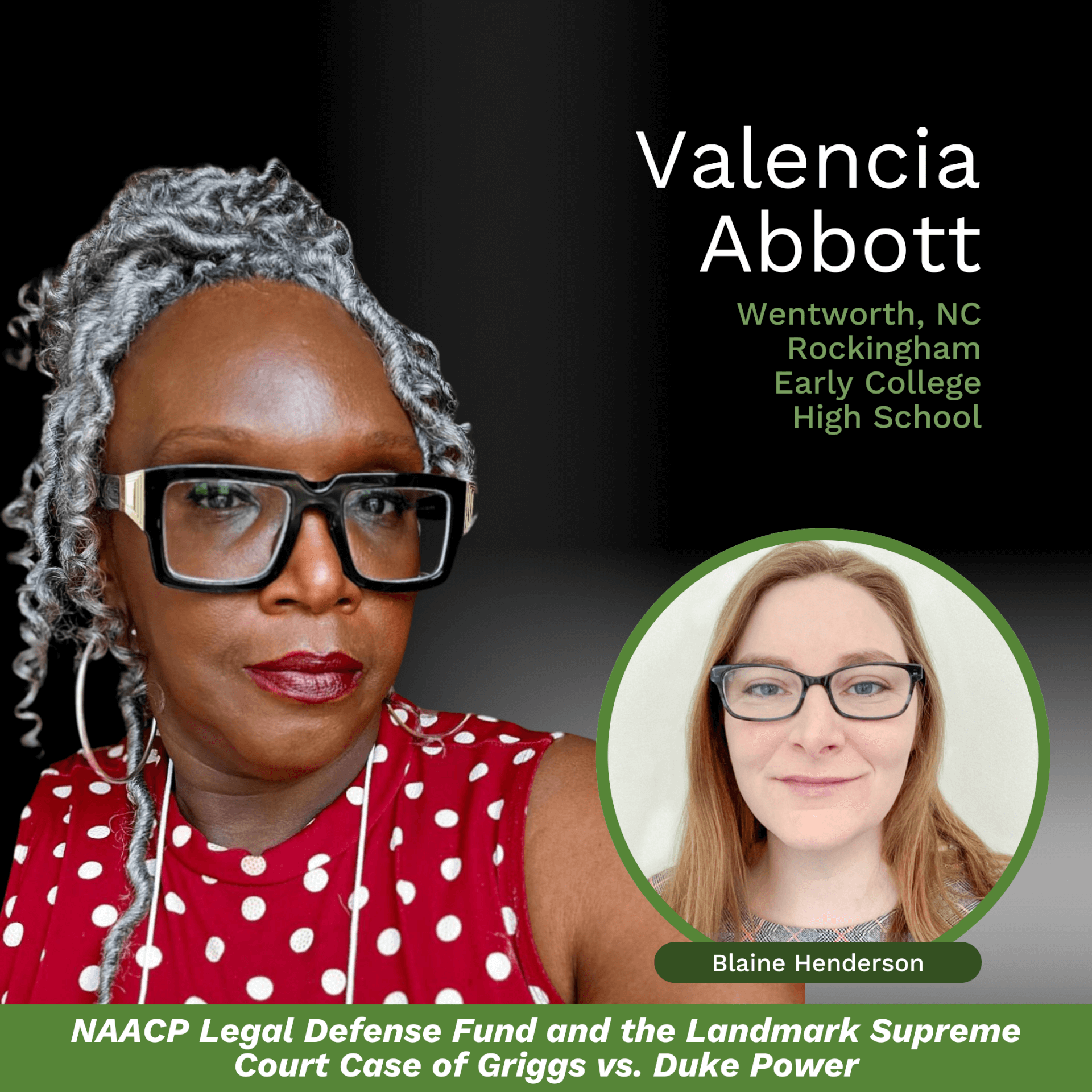
NAACP Legal Defense Fund and the Landmark Supreme Court Case of Griggs vs. Duke Power
Valencia Abbott
Community Partner: Blaine Henderson, Public Services Librarian
Rockingham Community College
The NAACP Legal Defense and Educational Fund (LDF), founded in 1940 by Thurgood Marshall, has been central to the U.S. civil rights movement. A key victory was Griggs v. Duke Power Co. (1971), which challenged employment discrimination practices that disproportionately excluded African Americans. The Supreme Court ruled that employment practices with a disparate impact on minorities, even if neutral, are illegal if unrelated to job performance. James Arthur Griggs, president of the Reidsville NAACP branch, played a crucial role in bringing this issue to the LDF, contributing to the case’s success. This project addresses the question: What role did the NAACP Legal Defense Fund play in shaping public policy and legislation related to civil rights in the United States during the 1960s and 1970s?

Public History of Forgottonia
Joe Brewer
Community Partners: Sue Scott, Western Illinois Museum and John Hallwas & Katherine Nichols, Western Illinois University Archives
Students selected a local history topic of interest and researched it by visiting area museums, including the Western Illinois University Archives and WI Museum, to explore primary sources. They deepened their investigations by interviewing experts and created a public artifact using a medium of their choice. The final projects were presented at a school library showcase and featured in the Fulton Democrat newspaper. Guiding questions focused on five major themes of Change in Rural America: Identity, Land, Community, Managing Change, and Persistence, exploring how rural communities evolved and adapted over time.
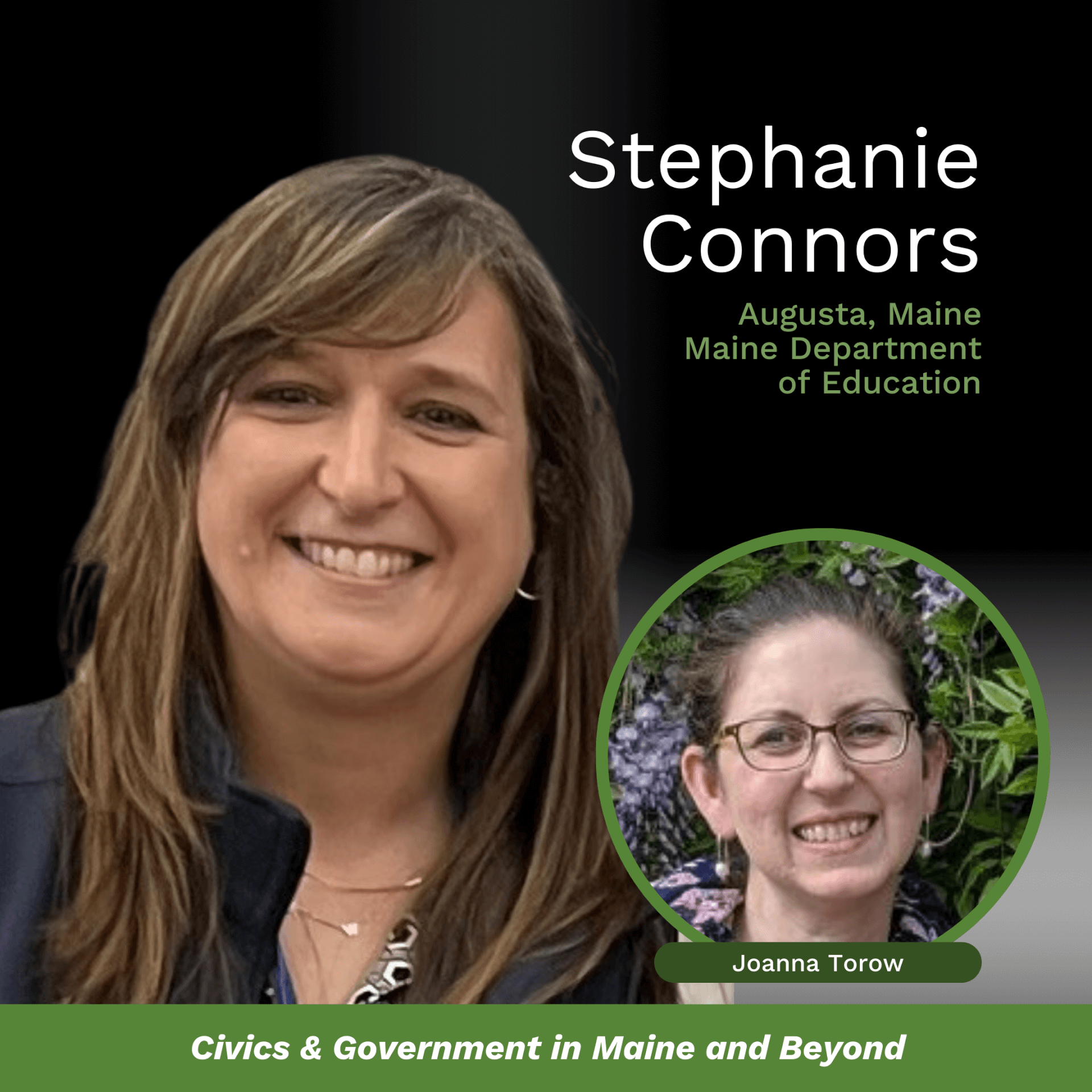
Civics & Government in Maine and Beyond
Stephanie Connors (Maine Department of Education, Augusta, Maine)
Community Partner: Joanna Torow & Kate Webber, Maine State Museum; Maine State Archives; Maine State Library
This project creates K-12 learning resources, including lesson plans, primary sources, and educator supports, aligned with Maine’s Social Studies Standards and housed on the Maine State Museum’s “Maine Shared History” website. Each grade level will explore key civic questions, such as “Who gets to vote?” and “What makes a good citizen?” with primary sources tailored for age-appropriateness. Students will also examine civic participation, government function, and the importance of respecting diverse perspectives. These resources will be accessible online for Maine schoolchildren, through teachers or homeschool programs, and used by museum educators for visiting learners.
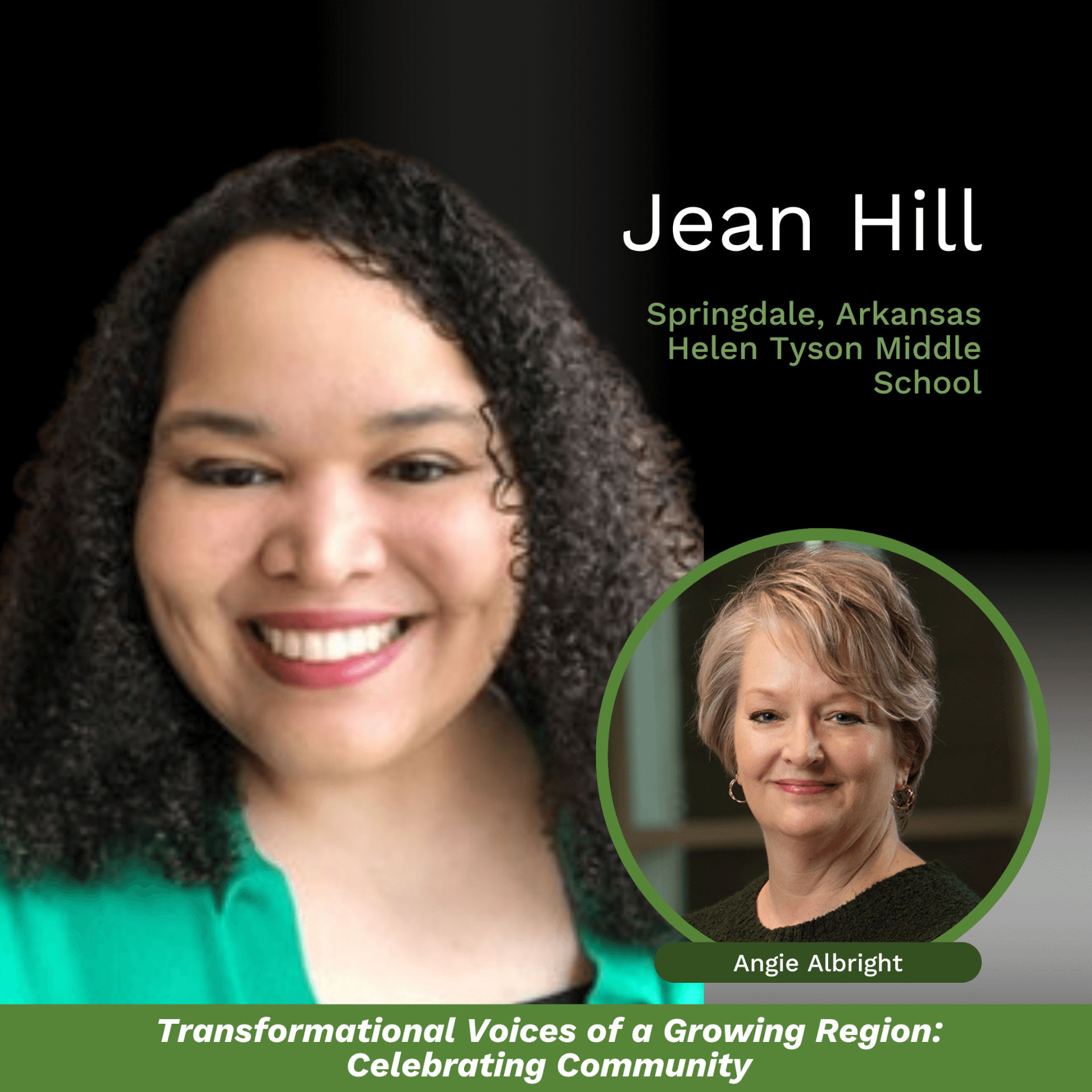
Transformational Voices of a Growing Region: Celebrating Community
Jean Hill
Community Partner: Angie Albright, Shiloh Museum of Ozark History, Marsha Layer-Springdale Public Schools, Susan Kendrick Perry, The Pryor Center at the University of Arkansas
This project built on previous years by celebrating the community’s voices and assets through a multi-modal experience. It included a community cookbook, primary source collection, and portable public history exhibits showcasing significant local sites. The project involved students, families, and community members to explore how past and present experiences shaped the community’s strengths.
Staff

Regina Holland
Project Director

Jessica Ellison
Executive Director

Clare Howard
Project Support
Support Team
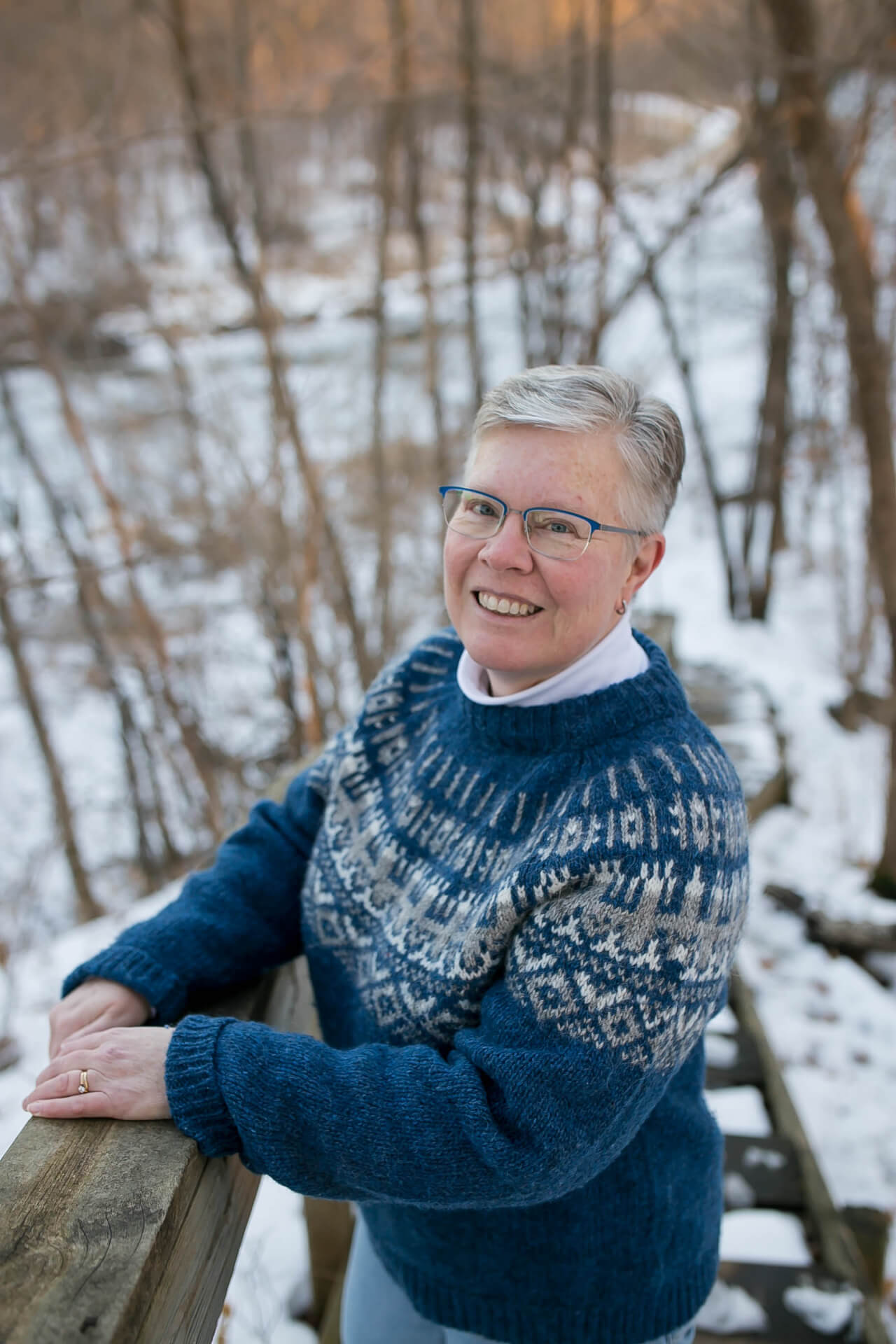
Pam Riney-Kehrberg
Project Historian

Wendy Soltz
Project Historian

Kristy Brugar
Project Education Specialist

Talia Smith
Project Podcast Support
Historians

Kalenda Eaton
Project Historian

Steven Conn
Project Historian

Tore Ollson
Project Historian

Rory Dunn
Project Education Specialist

Kate Van Huren
Project Master Teacher
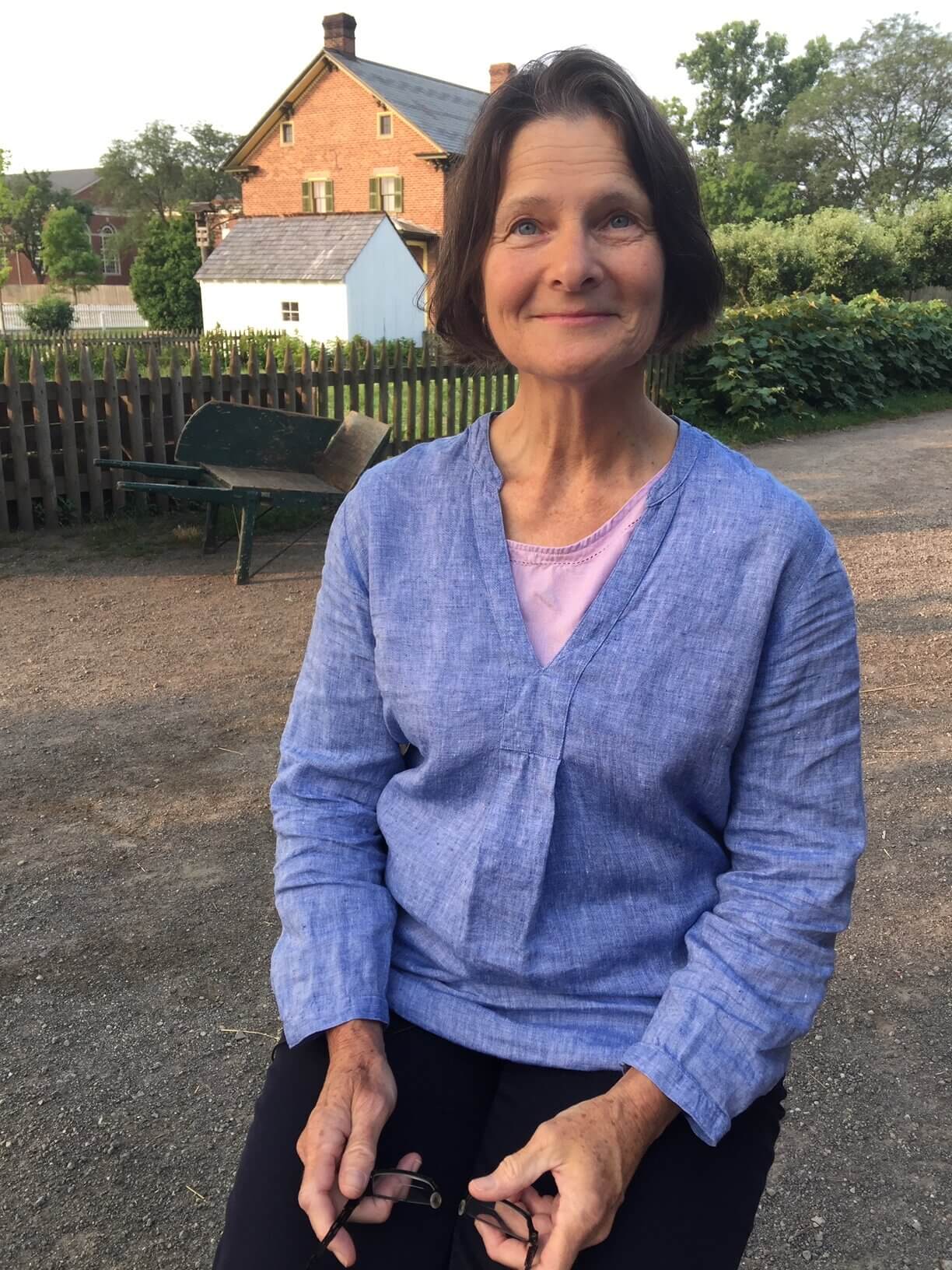
Deb Reid
Project Historian
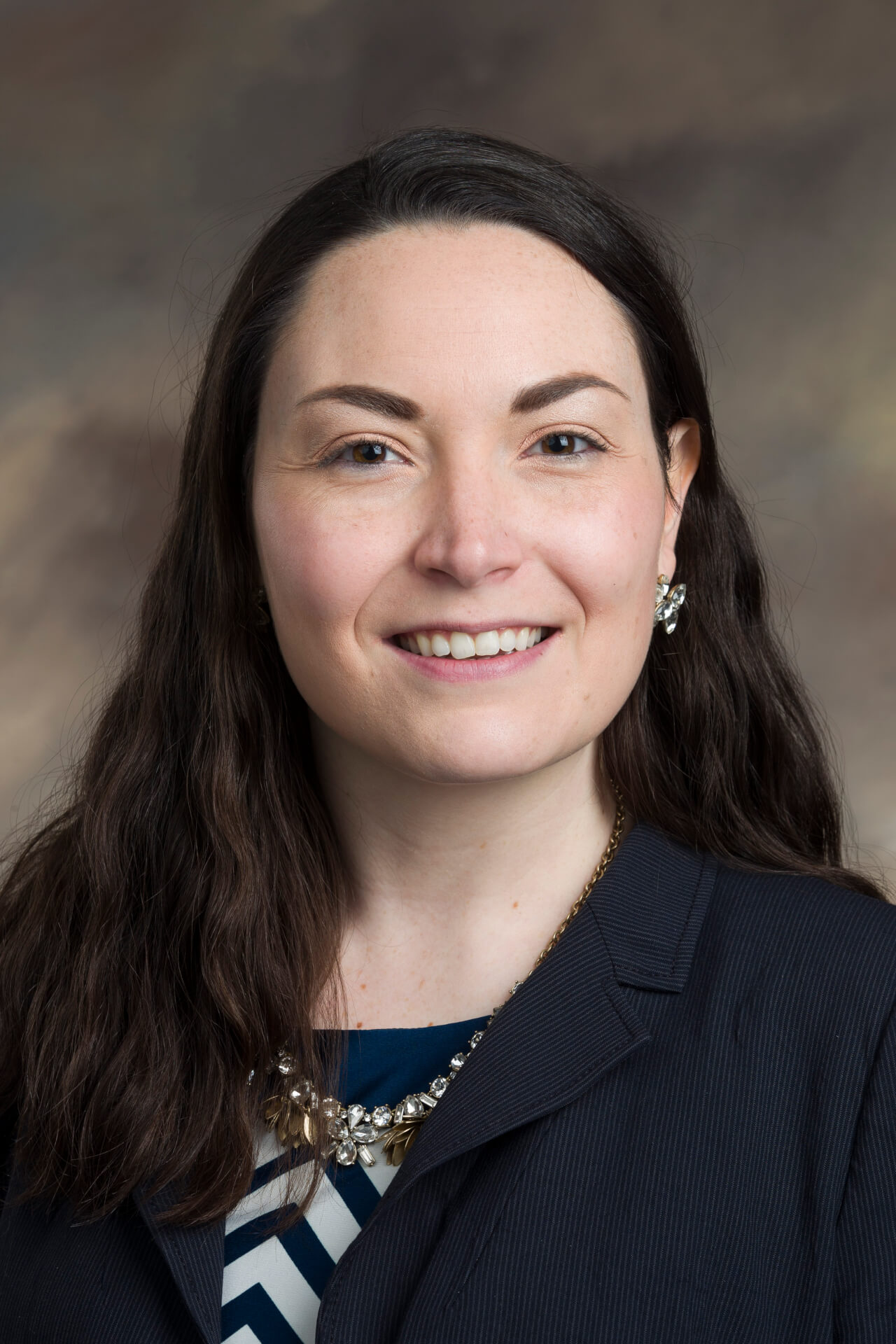
Ariel Cornett
Project Education Specialist
Past Contributors

Joe Anderson
Project Historian

Julie Courtwright
Project Historian

Megan Birk
Project Historian
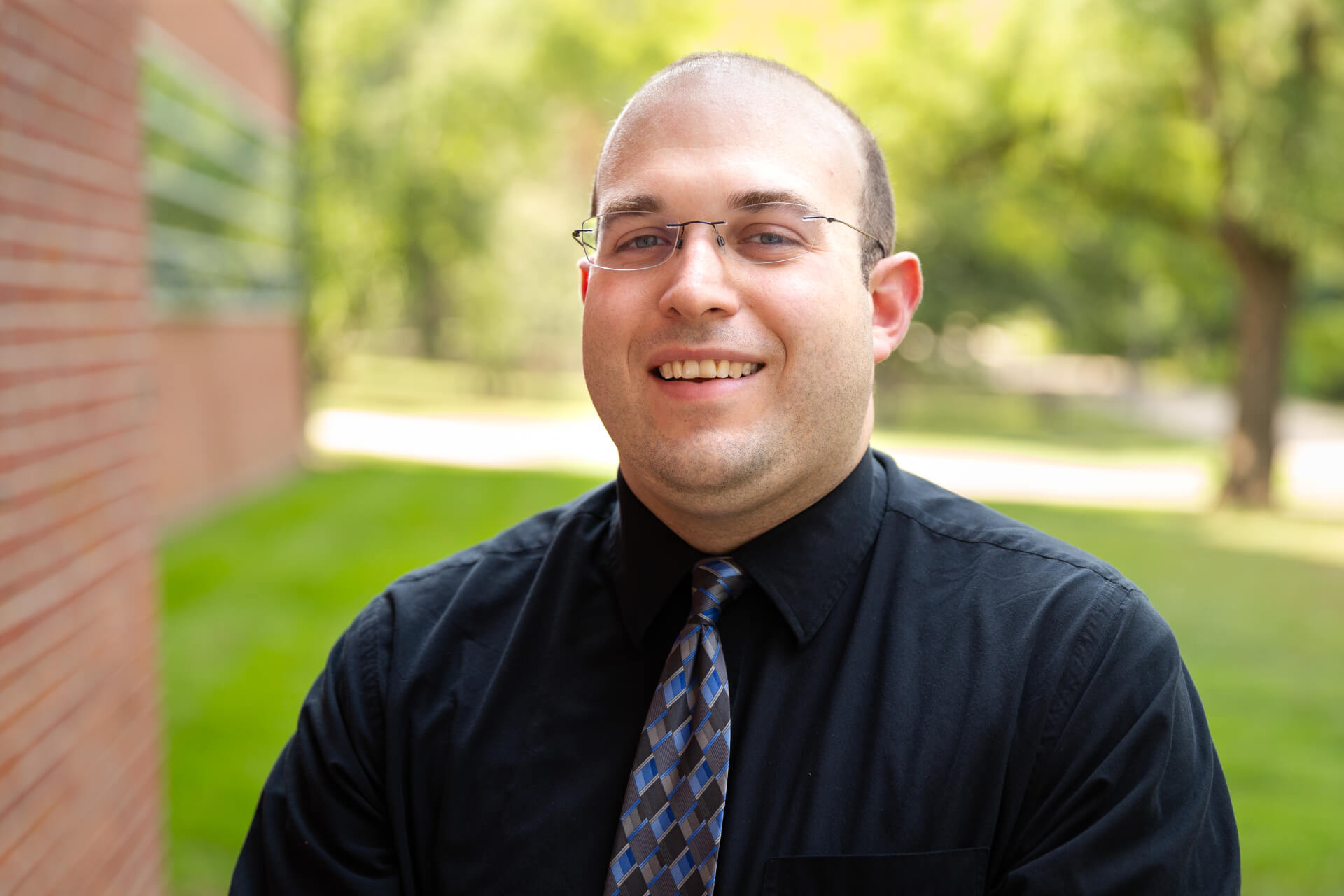
Al Wood
Project Education Specialist
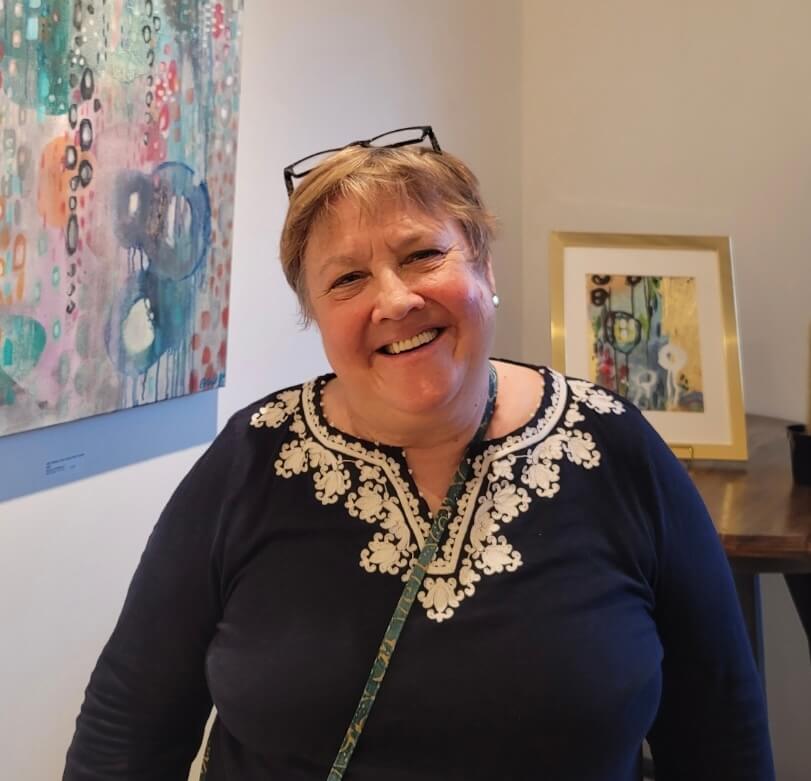
JoAnn Wood
Project Master Teacher
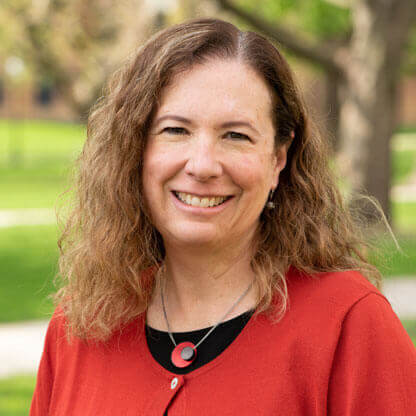
Linda Clemmons
Project Historian

Adrienne Petty
Project Historian

Cindy Hahamovitch
Project Historian

Trevor Rhodes
Project Public Historian
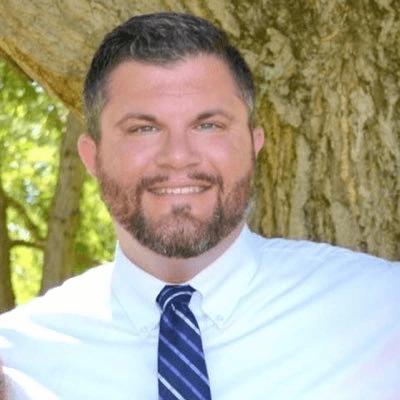
Kevin Cline
Project Master Teacher